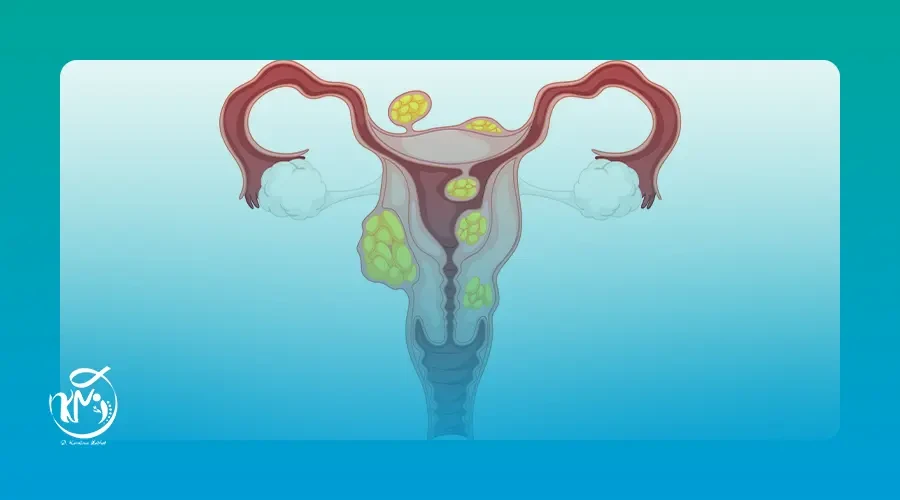
Symptoms of ovarian tumors
Ovarian tumors are among the health conditions that require careful medical awareness, as the symptoms of ovarian tumors are often vague and may resemble common conditions such as digestive disorders or hormonal changes associated with the menstrual cycle. This similarity can lead to delayed diagnosis in some women.
In this article, we will discuss everything you need to know about ovarian tumors, including an overview of the disease, early and advanced symptoms of ovarian tumors, causes and risk factors, diagnostic methods, treatment options, the relationship between ovarian cancer and the menstrual cycle, and many other important details. Finally, we will introduce one of the leading specialists in ovarian tumor treatment in Egypt. Keep reading to learn more.
What Is Ovarian Cancer?
Before discussing the symptoms of ovarian tumors, it is important to understand the nature of this disease. Ovarian cancer develops in the ovaries, which are responsible for producing eggs and regulating the reproductive process.
Ovarian Cancer occurs when cells within the ovary begin to grow and divide abnormally and uncontrollably, forming a mass or tumor that can vary in type and severity from one patient to another.
As these abnormal cells continue to grow, the tumor may affect the tissues surrounding the ovary. In some cases, it can spread to other parts of the body if not detected early. Ovarian cancer is most commonly diagnosed in women over the age of 50, although it can occur at different ages.
If you are experiencing any symptoms of ovarian tumors or notice unusual vaginal discharge that may be associated with ovarian cancer, do not hesitate to schedule a consultation at the clinic of Dr. Kerollous Medhat, Consultant of Surgical Oncology, General Surgery, and Liver Transplantation. Using advanced diagnostic technologies, Dr. Kerollous Medhat provides accurate evaluations and personalized treatment plans aimed at restoring quality of life and achieving the best possible outcomes.
What Are the Symptoms of Ovarian Tumors?
The symptoms of ovarian tumors can be difficult to recognize in the early stages because they often resemble common digestive or hormonal conditions. However, as the disease progresses, the symptoms may gradually become more noticeable and begin to affect daily life.
Early Symptoms of Ovarian Tumors
In the initial stages, symptoms are often mild and non-specific, including:
-
Persistent or recurrent abdominal bloating.
-
Pain or pressure in the pelvic area or lower abdomen.
-
Feeling full quickly after eating small amounts of food.
-
Frequent urination or a sudden urge to urinate.
-
Mild digestive disturbances such as gas, indigestion, or constipation.
Advanced Symptoms of Ovarian Tumors
As the tumor grows and the disease advances, symptoms become more pronounced and may include:
-
Loss of appetite and unexplained weight loss or weight gain.
-
Persistent abdominal or lower back pain.
-
Severe and ongoing fatigue.
-
Continuous digestive problems such as nausea, constipation, or indigestion.
-
Pain during sexual intercourse.
-
Shortness of breath in advanced cases.
-
Fluid accumulation in the abdomen (ascites).
-
Abnormal vaginal bleeding or ovarian cancer-related discharge.
If you notice any of these symptoms, it is important not to delay seeking medical evaluation. At the clinic of Dr. Kerollous Medhat, patients receive comprehensive assessments and individualized treatment plans using the latest medical technologies.
Symptoms of Benign Ovarian Tumors
In many cases, benign ovarian tumors do not cause noticeable symptoms, especially when they are small. However, as they increase in size, symptoms may gradually appear due to pressure on nearby organs.
Common symptoms of benign ovarian tumors include:
-
Intermittent or sharp pelvic pain.
-
A feeling of heaviness or pressure in the lower abdomen.
-
Pain during sexual intercourse in some cases.
-
Sudden and severe abdominal pain if a cyst ruptures or ovarian torsion occurs, particularly with tumors larger than 4 cm.
-
Symptoms similar to peritonitis if certain hemorrhagic cysts rupture.
In rare cases, some benign fibrous ovarian tumors may cause fluid accumulation in the abdomen or around the lungs.
Although benign ovarian tumors are generally not dangerous, persistent or severe symptoms require proper medical evaluation to determine the most appropriate management plan.
Causes and Risk Factors of Ovarian Tumors
After understanding the symptoms of ovarian tumors, it is important to know that ovarian cancer develops as a result of genetic mutations that affect the cells within the ovaries, causing them to grow and divide abnormally and eventually form tumors that may progress over time.
The most significant causes and risk factors associated with ovarian tumors include:
-
Inherited genetic mutations, particularly in the BRCA1 and BRCA2 genes.
-
A family history of ovarian, breast, or colorectal cancer.
-
A previous diagnosis of breast cancer.
-
Endometriosis or Lynch Syndrome.
-
Advancing age, especially after menopause.
-
Delayed childbearing or never having been pregnant.
-
Long-term use of hormone replacement therapy.
-
Obesity and excess body weight.
-
Taller-than-average height in some cases.
Although these factors may increase the likelihood of developing ovarian tumors, their presence does not necessarily mean that ovarian cancer will occur. This is why early detection and regular medical follow-up remain essential for prevention and improving treatment outcomes.
Diagnosis of Ovarian Cancer
Diagnosing ovarian cancer requires a combination of specialized tests that help identify the presence of a tumor, determine its nature, and assess the extent of its spread. Because the symptoms of ovarian tumors often resemble those of many other medical conditions, an accurate diagnosis is essential for selecting the most appropriate treatment plan.
At the clinic of Dr. Kerollous Medhat, a comprehensive evaluation is performed using a range of advanced diagnostic methods, including:
Pelvic Examination
A physical pelvic examination is conducted to detect any abnormal masses or changes in the ovaries and surrounding reproductive organs.
Blood Tests
Blood investigations, including the CA-125 tumor marker test, help assess the possibility of ovarian cancer and support the diagnostic process.
Ultrasound Imaging
Ultrasound examinations, performed either abdominally or transvaginally, allow detailed visualization of the ovaries and help detect cysts, masses, or other abnormalities.
CT Scan and MRI
Computed Tomography (CT) and Magnetic Resonance Imaging (MRI) provide detailed images that help determine the tumor's size and evaluate whether it has spread to other parts of the body.
Colonoscopy
In selected cases, a colonoscopy may be recommended to ensure that the symptoms are not related to gastrointestinal disorders.
Biopsy and Histopathological Examination
A tissue sample may be collected and analyzed in a laboratory to confirm the diagnosis and accurately identify the tumor type.
Through these comprehensive diagnostic procedures, Dr. Kerollous Medhat ensures an accurate diagnosis, enabling the development of an effective and personalized treatment strategy tailored to each patient's condition.
Treatment Options for Ovarian Tumors
The treatment of ovarian tumors depends on several factors, most importantly the stage of the disease and the extent of tumor spread. Based on the patient's symptoms, diagnostic findings, and overall condition, a physician may recommend a single treatment approach or combine multiple therapies to achieve the best possible results.
The main treatment options for ovarian tumors include:
Surgery
Surgical treatment involves removing the tumor and may include the removal of one ovary, both ovaries, the uterus, or affected lymph nodes, depending on the extent of disease spread.
Chemotherapy
Chemotherapy uses specialized medications to destroy cancer cells. These drugs may be administered orally, intravenously, or, in some cases, directly into the abdominal cavity.
Targeted Therapy
Targeted treatments focus on specific pathways that promote tumor growth and spread while minimizing damage to healthy cells. Examples include anti-angiogenic agents and monoclonal antibodies.
Radiation Therapy
Radiation therapy uses high-energy radiation to destroy cancer cells and is most commonly utilized in advanced cases.
Immunotherapy
Immunotherapy works by stimulating the body's immune system to recognize and attack cancer cells more effectively.
Supportive and Monitoring Care
This approach focuses on relieving symptoms, improving quality of life, and closely monitoring the patient's condition throughout treatment.
Because early diagnosis and treatment by a qualified specialist are crucial for improving outcomes and controlling ovarian tumors, patients are encouraged to seek expert medical care. At the clinic of Dr. Kerollous Medhat, comprehensive evaluations and individualized treatment plans are provided using the latest medical advancements.
Complications of Ovarian Tumors
Ovarian tumors, especially in advanced stages or when symptoms are ignored for long periods, may lead to a number of complications as the tumor spreads and affects surrounding organs. These complications can interfere with normal body functions and significantly impact a patient's quality of life.
The most common complications of ovarian tumors include:
-
Fluid accumulation in the abdomen (Ascites).
-
Anemia caused by bleeding or the effects of the tumor on the body.
-
Intestinal or bladder obstruction due to pressure from the growing tumor.
-
Fluid accumulation around the lungs (Pleural Effusion).
-
Bone pain if the cancer spreads to the skeletal system.
-
Bowel perforation and leakage of intestinal contents into the abdominal cavity, which may cause a serious infection known as Peritonitis.
Fortunately, many of these complications can be prevented or managed effectively through early diagnosis and regular follow-up with a specialist. At the clinic of Dr. Kerollous Medhat, comprehensive care is provided to help control ovarian tumors and maintain patients' overall health and quality of life.
Can Ultrasound Detect Ovarian Cancer?
Yes, ultrasound imaging can help identify abnormal masses or changes in the ovaries that may raise suspicion of ovarian cancer. For this reason, it is often one of the first diagnostic tools used when evaluating patients with symptoms suggestive of ovarian tumors.
Ultrasound can help determine:
-
The size of the ovary.
-
Whether a mass is solid, cystic, or mixed.
-
The shape and structure of the lesion.
-
The exact location of the abnormality.
The examination may be performed through the abdomen or transvaginally, with transvaginal ultrasound often providing more detailed images in certain cases.
However, ultrasound alone cannot definitively diagnose ovarian cancer. Additional investigations, such as biopsy and microscopic tissue analysis, are required to confirm the diagnosis and determine the exact nature of the tumor.
Prevention of Ovarian Tumors
After understanding the symptoms of ovarian tumors, it is important to note that there is no guaranteed method to completely prevent ovarian cancer. Nevertheless, adopting a healthy lifestyle and undergoing regular medical examinations can significantly reduce the risk and improve the chances of early detection.
Key preventive measures include:
-
Scheduling regular gynecological examinations.
-
Promptly investigating unusual symptoms such as bloating or pelvic pain.
-
Understanding family medical history and undergoing genetic testing when medically indicated.
-
Maintaining a healthy body weight.
-
Following a balanced diet rich in fruits and vegetables.
-
Exercising regularly to improve overall health and reduce risk factors.
-
Avoiding smoking and limiting exposure to harmful chemicals whenever possible.
-
Pregnancy and breastfeeding, which may reduce the future risk of ovarian cancer.
-
Managing stress and maintaining a healthy lifestyle.
Some studies also suggest that the use of oral contraceptive pills for extended periods (more than five years) may lower the risk of ovarian cancer. However, this should only be considered under medical supervision to avoid potential side effects.
Ovarian Cancer and the Menstrual Cycle
Many women wonder about the relationship between ovarian cancer and the menstrual cycle. In reality, ovarian cancer may cause certain menstrual irregularities, including changes in cycle frequency or bleeding patterns. However, these changes alone are not definitive signs of ovarian cancer.
Some women may experience:
-
Bleeding between menstrual periods.
-
Increased pelvic pain during menstruation.
-
Changes in menstrual flow.
On the other hand, some women with ovarian cancer may continue to have completely normal menstrual cycles. Therefore, menstrual changes alone are not sufficient for diagnosis.
Women should consult a physician if persistent menstrual irregularities occur, particularly when accompanied by other symptoms of ovarian tumors such as abdominal bloating, pelvic pain, or frequent urination.
Best Doctor for Ovarian Cancer Treatment in Egypt
Dr. Kerollous Medhat, Consultant of Surgical Oncology, General Surgery, and Liver Transplantation, is recognized as one of the leading specialists in ovarian cancer treatment in Egypt. Through his specialized center, he provides comprehensive medical care based on the latest diagnostic and therapeutic approaches while adhering to international standards of excellence.
Every patient receives an individualized treatment plan tailored to her specific condition, ensuring the most appropriate therapeutic strategy and maximizing the chances of successful outcomes.
Why Choose Dr. Kerollous Medhat?
-
Highly accurate diagnosis of ovarian tumors using advanced medical technologies.
-
Personalized treatment plans based on the stage of the disease and the patient's overall health.
-
Extensive expertise in complex ovarian tumor surgeries when surgical intervention is required.
-
Collaboration with a multidisciplinary team, including oncology, surgery, radiology, and nutrition specialists.
-
Careful post-treatment follow-up to support recovery and reduce the risk of recurrence.
-
Continuous medical and emotional support throughout the treatment journey.
Awareness of the symptoms of ovarian tumors and commitment to regular medical check-ups are among the most important factors in achieving early diagnosis and improving treatment outcomes. No unusual symptom should be ignored, and medical evaluation should never be delayed when concerns arise.
At the clinic of Dr. Kerollous Medhat, Consultant of Surgical Oncology, General Surgery, and Liver Transplantation, patients receive comprehensive care built on the latest medical technologies—from accurate diagnosis and personalized treatment planning to ongoing follow-up and support aimed at achieving the best possible results and enhancing quality of life.
Schedule your consultation today with Dr. Kerollous Medhat and begin your treatment journey with confidence, guided by a dedicated medical team committed to your health every step of the way.
Book Appointment