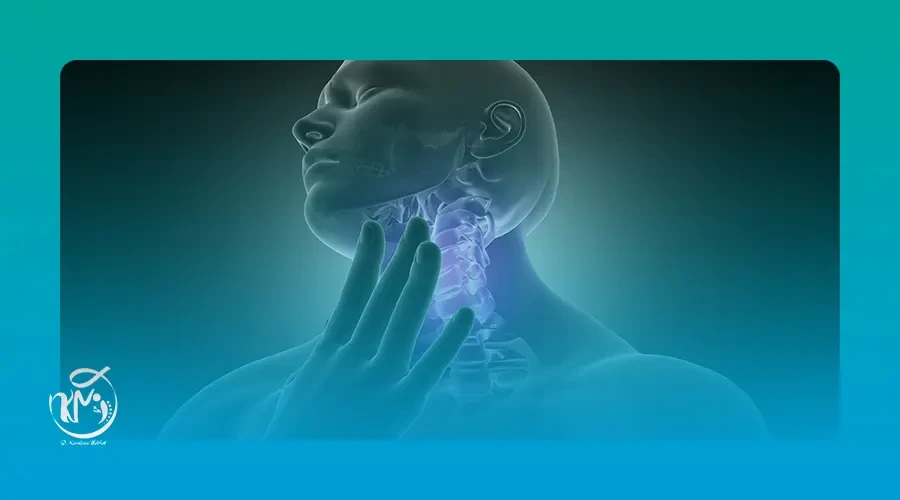
Post-thyroid symptoms
Symptoms after thyroid surgery vary from one patient to another. They may be mild and expected, such as pain around the wound, hoarseness, difficulty swallowing, mild neck swelling, or a feeling of tightness in the neck muscles. However, some signs may require urgent medical attention, such as shortness of breath, sudden neck swelling, numbness around the mouth or limbs, or bleeding from the wound.
Understanding symptoms after thyroid surgery helps the patient distinguish between normal recovery and complications that should not be ignored. The surgery may involve partial or total removal of the thyroid gland and may be performed for several reasons, including thyroid tumors, thyroid enlargement, certain cases of hyperthyroidism, or thyroid nodules that require surgical evaluation and treatment.
In this article, we explain symptoms after thyroid surgery in detail, when the thyroidectomy wound heals, what foods to avoid after thyroidectomy, whether weight increases after thyroid removal, the relationship between the surgery and the menstrual cycle, and the warning signs that require immediate medical consultation.
What Is Thyroid Surgery?
Thyroid surgery is a procedure used to remove part of the thyroid gland or the entire gland, depending on the diagnosis. The thyroid gland is located at the front of the neck and produces important hormones that control metabolism, energy levels, and several body functions. After surgery, the patient may need thyroid hormone replacement therapy, especially if the entire gland has been removed.
Usually, symptoms after thyroid surgery are related to three main areas: the wound site in the neck, the larynx and nearby nerves, and calcium or hormone levels after the operation. For this reason, follow-up differs from one patient to another depending on the type of surgery, the extent of removal, and the reason for the operation.
Normal Symptoms After Thyroid Surgery
Normal symptoms after thyroid surgery may include mild to moderate pain at the wound site, a feeling of tightness in the neck, throat irritation or pain due to the anesthesia tube, mild difficulty swallowing, temporary hoarseness, and slight swelling or bruising around the incision. These symptoms usually improve gradually over a few days to weeks with rest, following the doctor’s instructions, and taking prescribed medications.
The patient may also feel stiffness in the neck or a repeated need to clear the throat. These are common expectations after thyroid surgery. However, it is better to avoid excessive coughing or forceful throat clearing, as this may put extra pressure on the neck and increase the risk of bleeding.
Hoarseness and Difficulty Swallowing After Surgery
One of the most common symptoms after thyroid surgery is hoarseness, weak voice, or a change in voice tone. This may happen because of irritation from the anesthesia tube or temporary irritation of the nerves near the thyroid gland. In most cases, the voice improves within days or weeks, but persistent hoarseness or difficulty breathing while speaking should be followed carefully.
Difficulty swallowing may also occur after surgery. The patient may feel as if something is stuck in the throat. This usually improves gradually, but if it is accompanied by choking, repeated aspiration, or shortness of breath, the patient should not wait and should contact the doctor.
Low Calcium After Thyroidectomy
Some symptoms after thyroid surgery require special attention, such as numbness around the mouth, tingling in the fingers, hands, or feet, or muscle cramps. These signs may indicate low calcium levels due to temporary effects on the parathyroid glands, which are small glands located near the thyroid and help regulate calcium levels in the blood.
Low calcium is often temporary, but the doctor should be informed immediately if numbness or muscle cramps occur. The patient may need calcium or vitamin D supplements according to medical advice.
Shortness of Breath After Thyroidectomy
Shortness of breath after thyroidectomy should never be ignored, especially if it appears suddenly or is accompanied by rapid swelling in the neck or severe difficulty swallowing. It may be caused by internal bleeding, a blood collection pressing on the airway, or, in rare cases, a problem affecting vocal cord movement.
Among the serious symptoms after thyroid surgery, shortness of breath with neck swelling is considered an emergency that requires immediate medical attention or going to the emergency room.
Neck Appearance After Thyroid Surgery
Many patients wonder about the neck appearance after thyroid surgery and whether the scar will remain visible. Usually, the incision is made in the front of the neck, often within a natural skin crease as much as possible. At first, the scar may look pink or red with mild swelling or bruising, then its appearance gradually improves over time.
Some expected symptoms after thyroid surgery around the wound include slight raised skin, firmness, or numbness around the incision area. These symptoms usually improve gradually as the wound heals.
When Does the Thyroidectomy Wound Heal?
The question “when does the thyroidectomy wound heal?” is very common after the operation. In most cases, the external wound starts to improve within one to two weeks. If medical strips are used, they may fall off by themselves within 7 to 10 days. However, the scar may continue improving for several weeks or months. In some cases, the stitches are internal and dissolvable, so the patient may not see them.
Improvement of the wound from the outside does not mean that all recovery symptoms have ended. Some symptoms, such as neck tightness or changes in sensation around the wound, may take longer. The patient should follow wound care instructions, avoid excessive neck strain, and avoid applying creams or home remedies to the wound unless approved by the doctor.
Foods to Avoid After Thyroidectomy
There is usually no single fixed list called “foods to avoid after thyroidectomy” that applies to every patient. However, in the first few days, it is better to avoid heavy or fatty meals if there is nausea or loss of appetite. Hard or spicy foods may also be avoided if there is throat pain or difficulty swallowing. The patient can start with fluids and soft foods, then gradually return to normal eating according to tolerance and medical instructions.
While monitoring symptoms after thyroid surgery, the timing of medications is also important. If the patient is taking thyroid hormone replacement, calcium, or iron supplements, the doctor may recommend spacing them apart because some supplements can affect medication absorption. Therefore, diet or supplements should not be changed without medical advice.
Does Weight Increase After Thyroidectomy?
The question “does weight increase after thyroidectomy?” is directly related to thyroid hormone levels after the operation. If the thyroid gland is completely removed and the patient does not receive the correct dose of hormone replacement, symptoms of hypothyroidism may appear, such as fatigue, feeling cold, constipation, and weight gain. However, when the dose is properly adjusted and monitored through blood tests, the patient can live normally.
Weight gain is not usually one of the immediate symptoms after thyroid surgery during the first few days. It may appear later if hormone levels are not well controlled, or because of reduced physical activity and changes in appetite. Regular follow-up and blood tests help adjust the dose and reduce this risk.
Menstrual Cycle After Thyroidectomy
The menstrual cycle after thyroidectomy may be affected if thyroid hormone levels become imbalanced or if the replacement medication dose is not properly adjusted. Hypothyroidism may be linked to heavy or irregular periods and may also affect fertility in some women if not treated correctly.
Therefore, when monitoring symptoms after thyroid surgery in women, it is important to pay attention to menstrual regularity, bleeding amount, fatigue, hair loss, weight gain, or feeling unusually cold. If clear menstrual changes appear after surgery, the doctor should be informed to check TSH and T4 levels and adjust treatment if needed.
When Can Life Return to Normal After Surgery?
Many patients can move, eat, and drink on the same day of the operation or the next day. Some may return to work within one to two weeks, depending on the nature of their work and the doctor’s instructions. However, heavy lifting, intense effort, and strong neck movements should be avoided during the early recovery period.
The persistence of symptoms after thyroid surgery for a short time does not mean the operation has failed. The body needs time to heal. However, improvement should be gradual. If pain increases, redness or warmth appears around the wound, pus-like discharge occurs, fever develops, or shortness of breath appears, the doctor should be contacted.
Warning Signs That Should Not Be Ignored
Some symptoms after thyroid surgery should not be managed at home or ignored. These include rapid neck swelling, difficulty breathing, severe difficulty swallowing, obvious bleeding, high fever, yellow or pus-like discharge from the wound, pain that gets worse instead of improving, severe numbness around the mouth or limbs, or muscle spasms.
These signs may indicate bleeding, infection, low calcium, or another problem that needs medical care. It is always better to ask the doctor instead of relying on other people’s experiences, because every case differs according to the type of surgery, the reason for surgery, and the patient’s health condition.
Tips for Recovery After Thyroid Surgery
To reduce symptoms after thyroid surgery, take your medications on time, get enough rest, drink enough fluids, and start with easy-to-swallow foods during the first few days. Avoid heavy effort and lifting heavy objects, do not move your neck aggressively, and follow wound care instructions carefully.
It is also important to follow up with blood tests after surgery according to the doctor’s instructions, especially thyroid hormone and calcium levels. If the doctor prescribes thyroid hormone replacement, do not stop it on your own even if you feel better, because dose adjustment depends on tests and follow-up.
The Role of Dr. Kirlos Medhat in Thyroid and Tumor Surgery
Thyroid surgery requires precise surgical experience because the thyroid gland is close to the nerves responsible for voice and the parathyroid glands responsible for calcium regulation. Choosing an experienced surgeon helps reduce the risk of complications, especially in cases involving tumors, thyroid enlargement, or conditions that require careful removal.
Dr. Kirlos Medhat is a Consultant of Surgical Oncology, General Surgery, and Liver Transplantation, with 16 years of surgical experience and more than 1000 surgical procedures performed. He holds a Doctorate in Liver, Bile Duct, Pancreas, and Liver Transplant Surgery, as well as a Master’s degree in General Surgery. He is also a member of the European Society of Surgical Oncology, the Egyptian Society of Surgical Oncology, and the Egyptian Society of Surgeons.
Following symptoms after thyroid surgery with a specialist helps reassure the patient, detect any problem early, adjust hormone and calcium levels, and guide the patient toward safe recovery.
Conclusion
Symptoms after thyroid surgery may include wound pain, hoarseness, difficulty swallowing, mild neck swelling, temporary numbness around the wound, or fatigue in the first few days. Most of these symptoms improve gradually. However, shortness of breath, sudden swelling, bleeding, high fever, pus-like discharge, numbness in the limbs, or muscle cramps require immediate medical contact.
In the end, the right way to deal with post-surgical recovery is to know what is normal and what is concerning, follow up regularly, and take medications exactly as prescribed. If any unusual sign appears, early medical evaluation can provide reassurance and allow quick intervention before complications occur.
Book Appointment