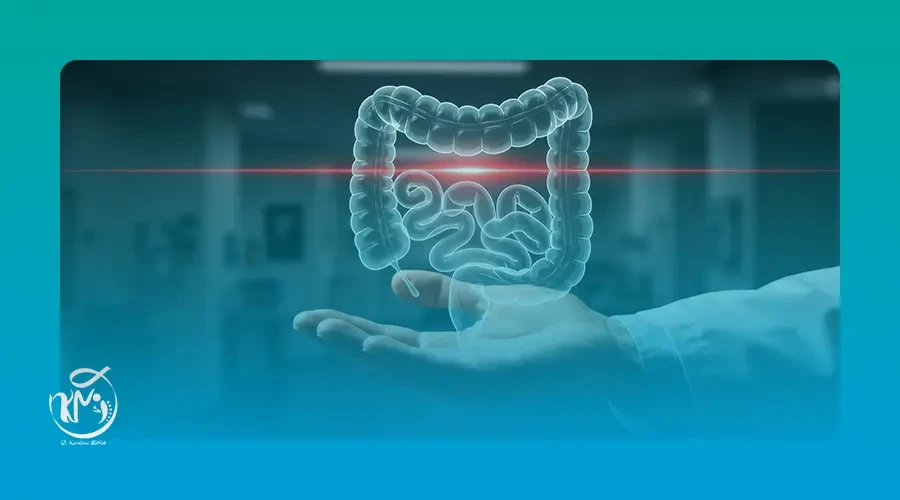
Types of Colon Tumors
Colon cancer is one of the most serious cancers that requires early medical awareness due to the wide variety of colon tumor types and the differences between benign and malignant tumors. In many cases, the disease can develop gradually without obvious symptoms in its early stages, making early detection essential for improving treatment outcomes and preventing disease progression or spread.
With increasing questions about the early symptoms of colon cancer, modern diagnostic methods, and whether ultrasound can detect colon cancer, awareness becomes crucial in understanding the nature of this disease and recognizing symptoms that may initially seem minor. Early diagnosis significantly increases the chances of successful treatment and recovery.
In this article, we will discuss everything you need to know about colon cancer, including the different types of colon tumors, causes and risk factors, early and advanced symptoms, stages of colon cancer, diagnostic methods, available treatment options, important lifestyle recommendations, recovery prospects, and why Dr. Kyrillos Medhat is considered one of the leading specialists for colon cancer treatment in Egypt.
What Is Colon Cancer?
Before discussing the different types of colon tumors, it is important to understand the nature of this disease. Colon cancer develops in the inner lining of the large intestine (colon), the section of the digestive system responsible for absorbing water and forming stool. In some cases, it may also involve the rectum.
The disease usually begins when normal cells in the colon lining undergo genetic mutations, causing them to grow uncontrollably and survive longer than they should. Over time, these abnormal cells accumulate and form tumors that may become malignant.
In many cases, colon cancer starts as small growths known as polyps. Although polyps are often benign initially, certain types can gradually transform into malignant tumors if left undetected and untreated.
Colon cancer is among the most common cancers in adults and may not cause noticeable symptoms during its early stages, making routine screening an essential tool for prevention and early detection.
For an accurate evaluation of your condition, contact Dr. Kyrillos Medhat Center for Surgical Oncology, General Surgery, and Liver Transplantation. Our extensive experience in managing various types of colon tumors ensures precise diagnosis using advanced technologies and personalized treatment plans.
Types of Colon Tumors
The types of colon tumors vary depending on the cells from which they originate within the colon wall. These tumors differ in nature, severity, and response to treatment. Determining the exact tumor type is crucial for developing the most effective treatment plan.
Benign Colon Tumors (Polyps)
Benign colon tumors, commonly known as polyps, are among the most frequent findings during colon examinations. They are abnormal growths that develop on the lining of the colon due to irregular cell division.
Although polyps are generally non-cancerous, certain types—particularly adenomatous polyps—can develop into cancer over time if not removed early. Polyps vary in size and shape and may not cause noticeable symptoms initially, making regular colonoscopy screenings essential for early detection and prevention.
Malignant Colon Tumors (Colon Cancer)
Malignant tumors represent the most dangerous types of colon tumors. They often develop from neglected benign polyps and possess the ability to invade surrounding tissues and spread to distant organs.
The main malignant types include:
Adenocarcinoma
The most common form of colon cancer, originating from the glandular cells lining the inner wall of the colon.
Lymphoma
A rare type of colon tumor arising from lymphatic tissue within the immune system. Symptoms may include abdominal pain and gastrointestinal bleeding.
Carcinoid Tumors
These tumors originate from hormone-producing neuroendocrine cells located in the digestive tract.
Sarcoma
A rare cancer affecting connective tissues such as muscles, blood vessels, and supportive structures within the colon wall.
Gastrointestinal Stromal Tumors (GISTs)
Uncommon tumors that develop from specialized cells responsible for regulating digestive tract movement and may occasionally occur in the colon.
Because treatment depends heavily on the tumor type, accurate diagnosis remains the cornerstone of successful management.
Causes of Colon Cancer
After understanding the various types of colon tumors, it is important to know that colon cancer results from genetic changes within colon cells. These mutations cause abnormal cell growth and eventual tumor formation.
Common causes include:
-
Genetic mutations in colon cells.
-
Development of polyps that may become cancerous.
-
Long-term chronic inflammation of the colon.
Several risk factors can also increase the likelihood of developing colon cancer:
-
Age over 50 years.
-
Family history of colon cancer.
-
Hereditary syndromes such as Lynch syndrome.
-
Previous history of colon polyps.
-
Inflammatory bowel diseases such as Crohn's disease and ulcerative colitis.
-
Obesity and overweight.
-
Physical inactivity.
-
Low-fiber, high-fat diets.
-
Smoking.
-
Excessive alcohol consumption.
-
Diabetes or insulin resistance.
-
Previous abdominal radiation therapy.
Understanding these causes and risk factors is an important step toward prevention and early detection.
Symptoms of Colon Cancer
Symptoms vary depending on the type and stage of the tumor. Early recognition of persistent digestive changes is essential.
Early Symptoms of Colon Cancer
In its initial stages, colon cancer may cause mild or intermittent symptoms, including:
-
Frequent constipation or diarrhea.
-
Changes in stool shape or color.
-
Blood in the stool.
-
Abdominal bloating and gas.
-
Abdominal pain or cramping.
-
Mild rectal bleeding.
Advanced Symptoms of Colon Cancer
As the disease progresses, symptoms become more noticeable and may include:
-
Unexplained weight loss.
-
Persistent fatigue.
-
Long-lasting bowel habit changes.
-
Feeling that the bowel does not empty completely.
-
Vomiting in some cases.
-
Symptoms of anemia such as dizziness, shortness of breath, and pale skin.
If you experience any of these symptoms, early consultation with a specialist is highly recommended.
Stages of Colon Cancer
Colon cancer progresses through several stages depending on the extent of tumor growth and spread:
Stage 0
Abnormal cells are confined to the inner lining of the colon and have not spread.
Stage I
The tumor has grown into the colon wall but has not reached lymph nodes or nearby tissues.
Stage II
The cancer extends deeper into or through the colon wall but remains confined without lymph node involvement.
Stage III
Cancer cells have spread to nearby lymph nodes.
Stage IV
The most advanced stage, where cancer spreads to distant organs such as the liver, lungs, or ovaries.
Accurate staging is critical for selecting the most effective treatment strategy.
Diagnosing Different Types of Colon Tumors
Diagnosis involves a combination of clinical evaluation and advanced testing to identify the presence, type, and stage of the tumor.
At Dr. Kyrillos Medhat Center, diagnostic evaluation may include:
-
Physical examination and symptom assessment.
-
Blood tests, including complete blood count (CBC), liver function tests, and carcinoembryonic antigen (CEA).
-
Imaging studies such as CT scans, MRI scans, and ultrasound examinations.
-
Colonoscopy to visualize the colon lining directly.
-
Biopsy and pathological analysis to determine the exact tumor type.
These comprehensive diagnostic tools allow for precise identification of colon tumor types and support individualized treatment planning.
Can Ultrasound Detect Colon Cancer?
Yes, ultrasound may help identify certain abnormalities or masses associated with some types of colon tumors and can be useful as an initial assessment tool.
However, ultrasound alone is not considered a definitive diagnostic method for colon cancer, especially in early-stage disease or when tumors are small. More accurate investigations such as colonoscopy and biopsy remain essential for confirming the diagnosis.
Treatment of Colon Tumors
Treatment depends on the tumor type, stage, and the patient's overall health. In many cases, multiple treatment approaches are combined to achieve the best outcome.
Surgery
The most common treatment option, involving removal of polyps, tumors, affected sections of the colon, and nearby lymph nodes when necessary.
Chemotherapy
Uses specialized medications to destroy cancer cells or prevent their growth and spread.
Radiation Therapy
Employs high-energy radiation to shrink tumors before surgery or eliminate remaining cancer cells afterward.
Targeted Therapy
Focuses on specific proteins or genetic mutations within cancer cells, allowing more precise treatment with fewer effects on healthy tissues.
Immunotherapy
Enhances the body's immune system to recognize and attack cancer cells, particularly in selected advanced cases.
At Dr. Kyrillos Medhat Center, treatment plans are customized according to each patient's unique condition to ensure the highest standards of care and safety.
Tips for Living with Colon Cancer
Following diagnosis and treatment, daily self-care plays a major role in improving quality of life and supporting recovery.
Important recommendations include:
-
Adhering to prescribed medications and treatment schedules.
-
Attending regular follow-up appointments.
-
Following a healthy, balanced diet.
-
Engaging in appropriate physical activity.
-
Managing stress and emotional challenges.
-
Addressing treatment side effects promptly.
-
Prioritizing adequate rest and sleep.
Our commitment extends beyond treatment to continuous support throughout every stage of recovery.
What Is the Typical Course of Colon Cancer?
The progression of colon cancer varies according to the type of tumor, stage at diagnosis, and extent of spread. In many cases, the disease develops gradually over several years, providing valuable opportunities for early detection.
When diagnosed in its early stages, treatment outcomes are often highly favorable. However, once cancer spreads to lymph nodes or distant organs, treatment becomes more complex. This highlights the importance of routine screening and specialized medical care.
Can Colon Cancer Be Cured?
Yes, colon cancer can often be cured, particularly when detected before spreading beyond the colon.
The likelihood of recovery depends on:
-
The type of colon tumor.
-
Stage of the disease.
-
Tumor location.
-
Overall patient health.
-
Response to treatment.
Early diagnosis and expert care significantly improve the chances of successful treatment and long-term survival.
Why Choose Dr. Kyrillos Medhat for Colon Cancer Treatment?
Successful treatment of colon tumors requires more than early detection—it demands extensive expertise and individualized treatment planning.
At Dr. Kyrillos Medhat Center for Surgical Oncology, General Surgery, and Liver Transplantation, we provide:
-
Accurate diagnosis using advanced medical technologies.
-
Personalized treatment plans tailored to each patient.
-
Expertise in minimally invasive and complex surgical procedures.
-
Multidisciplinary care involving oncology, radiology, and nutritional specialists.
-
Comprehensive post-treatment monitoring.
-
Ongoing support for patients and their families throughout the treatment journey.
Finally, early diagnosis and regular follow-up with a specialized physician remain the most important steps in treating the various types of colon tumors and achieving the best possible outcomes. Do not ignore any concerning symptoms or delay medical evaluation, as every day can make a significant difference in recovery chances and overall quality of life.
At Dr. kerollous Medhat Center, Consultant of Surgical Oncology, General Surgery, and Liver Transplantation, you will receive comprehensive medical care that begins with accurate diagnosis using the latest technologies, followed by a personalized treatment plan tailored to your condition, and continues with ongoing follow-up after treatment to ensure the best possible results and the highest recovery rates. Contact us today to schedule your consultation and take the first step toward restoring your health and quality of life with confidence and peace of mind.
Book Appointment