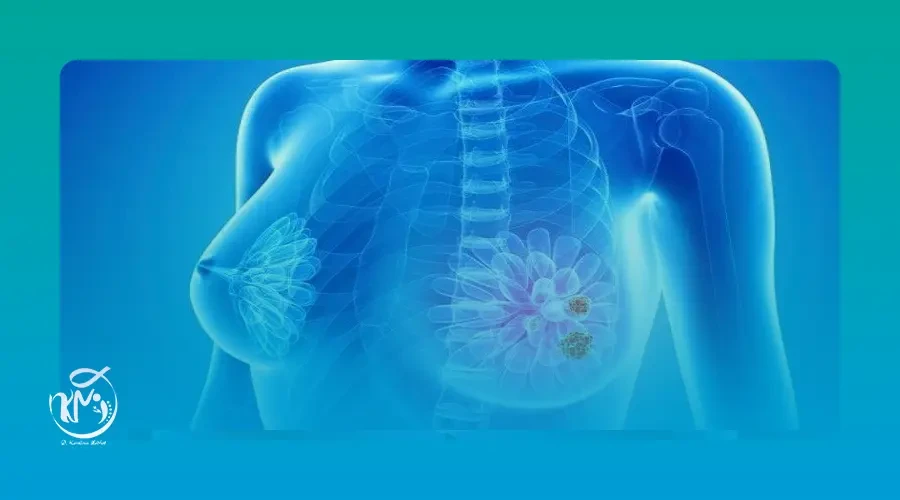
benign breast tumors
Some women may notice the appearance of a lump or a change in the shape of the breast, which can immediately cause concern. However, in many cases, these changes may be caused by benign breast tumors, which are common conditions that can be managed easily and safely with early diagnosis and accurate follow-up.
Although the word “tumor” may sound worrying, most of these cases do not behave like malignant tumors in terms of growth or impact. They are usually limited in growth and can be controlled through careful medical follow-up and accurate examination to determine the nature of the tumor and monitor any changes, whether in the shape or size of the benign breast tumor.
In this article, we will explore the most important information about benign breast tumors, starting with their causes, different types, symptoms, the shape of a benign breast tumor, available treatment methods according to each case, and other important details. Finally, we will guide you to the best doctor for treating benign breast tumors and ensuring the best possible outcomes for each case. Keep reading until the end.
What Are Benign Breast Tumors?
Benign breast tumors refer to abnormal growth in breast tissue that leads to the formation of one or more lumps in one or both breasts. However, they are usually non-cancerous and do not pose a threat to the patient’s life in most cases.
Nevertheless, it is important to emphasize that regular medical follow-up is necessary in some cases, as the nature of certain tumors may change over time, especially when risk factors are present or follow-up is neglected. This requires continuous evaluation to ensure that the condition remains stable and that no unwanted changes occur.
Benign breast tumors can also appear at any age, but they are more common during periods of hormonal changes, such as puberty. They may also be linked to changes in estrogen levels in some cases.
To receive an accurate diagnosis and a suitable treatment plan for your condition, you can contact Dr. kerollous Medhat Center — Consultant of Surgical Oncology, General Surgery, and Liver Transplantation — where cases of benign breast tumors are handled using the latest diagnostic and surgical techniques to ensure the highest levels of safety and reassurance.
Types of Benign Breast Tumors
There are several types of benign breast tumors, and they vary from one case to another in their nature, symptoms, effect on breast tissue, and whether they require follow-up or treatment. However, they are generally non-cancerous. The most common types include:
Breast cysts: These are among the most common breast changes. They are fluid-filled sacs that may appear as a soft lump and may sometimes be painful. In many cases, they disappear on their own with medical follow-up and without the need for treatment.
Fibroadenomas: These are among the most common solid benign tumors, especially in girls and young women. They usually appear as a smooth, relatively movable lump inside the breast and often carry a very low risk of turning into malignant tumors.
Fibrocystic breast changes: These occur due to hormonal fluctuations and may cause breast fullness, lumpiness, pain, or tenderness, especially before the menstrual cycle. Symptoms often improve once hormones become more stable.
Hyperplasia: This occurs due to increased growth of the cells lining the ducts or glands inside the breast. It may be simple and not concerning, while some cases require careful follow-up to reduce future breast cancer risk.
Intraductal papilloma: These are small growths that develop inside the milk ducts near the nipple, which may cause nipple discharge. In some cases, they may need to be removed, especially if they are multiple.
Mammary duct ectasia: This often appears after menopause due to widening or blockage of the milk ducts. It may lead to discharge or changes in the shape of the nipple, but in most cases, it is not associated with an increased risk of cancer.
Traumatic fat necrosis: This occurs when breast tissue is exposed to trauma, surgery, or radiation therapy, leading to lumps caused by fat tissue fibrosis. These lumps may feel similar to tumors, but they are usually not dangerous.
Adenosis: This refers to enlargement of the lobules and glands responsible for milk production inside the breast. It may appear as a small lump or changes in breast tissue detected during examination.
Because benign breast tumors vary in type and nature, early diagnosis by a specialized doctor remains an essential step to determine the appropriate way to manage the condition accurately and safely. Do not hesitate to contact Dr. kerollous Medhat Center to receive a follow-up and treatment plan tailored to your case using the latest medical methods.
Symptoms of Benign Breast Tumors
The symptoms of benign breast tumors vary from one woman to another depending on the type and nature of the tumor. In some cases, they may not cause any obvious symptoms and may be discovered by chance during examination. However, there are some common signs that may indicate benign changes in breast tissue and require medical evaluation for reassurance.
The most common symptoms include:
- The appearance of a lump or lumps inside the breast with a soft or rubbery texture.
- The lump may move easily when touched compared to malignant tumors.
- Breast pain or tenderness in some cases.
- A change in the shape or texture of breast tissue.
- Breast fullness or lumpiness before the menstrual cycle.
- Nipple discharge of different colors depending on the cause.
- Milky discharge due to hormonal changes or disorders.
- Green or dark discharge due to blocked milk ducts.
- Bloody discharge in some cases that require accurate medical evaluation.
If you notice any of the above symptoms, it is recommended not to ignore them. Book your consultation with us at Dr. kerollous Medhat Center to receive an accurate diagnosis and a suitable treatment plan using the latest techniques, along with close follow-up to protect you from complications and restore your quality of life.
Causes of Benign Breast Tumors
Benign breast tumors appear due to a group of changes and factors that may affect breast tissue over time. They are often linked to hormonal changes, certain health factors, and lifestyle patterns. In many cases, there may be no clear or specific cause for their appearance.
The most common causes include:
- Fibrocystic changes in breast tissue.
- Hormonal fluctuations, especially during the menstrual cycle, pregnancy, or menopause.
- Inflammation of breast tissue or milk ducts.
- Previous trauma or surgery in the breast, leading to the formation of scar tissue.
- Use of certain hormonal medications, such as birth control pills or hormone replacement therapy.
- Hormonal imbalance within the body.
In addition to these causes, there are some factors that may increase the risk of developing benign breast tumors and require closer medical follow-up, including:
- A family history of breast diseases or breast tumors.
- Long-term use of hormone therapy.
- Ongoing hormonal disorders or changes.
- Excessive caffeine intake in some cases.
Therefore, it is always recommended not to ignore any changes in the shape or size of a benign breast tumor, and to follow up regularly with a specialized doctor to receive an accurate evaluation and a suitable treatment plan when needed.
Methods of Diagnosing Benign Breast Tumors
The diagnosis of benign breast tumors depends on a set of accurate tests that help the doctor determine the nature of the lump inside the breast and differentiate it from malignant tumors. This helps in choosing the appropriate method of follow-up or treatment according to each case.
At Dr. kerollous Medhat Center, we focus on providing a comprehensive and accurate diagnosis for benign breast tumor cases through a number of essential tests, including:
- Clinical breast examination to detect any lumps or changes in the shape or texture of breast tissue.
- Mammogram to help detect lumps or abnormal changes within breast tissue accurately.
- Ultrasound to determine the nature of the lump and whether it is solid or filled with fluid.
- MRI to obtain detailed images of breast tissue in certain cases that require more precise evaluation.
- Breast biopsy, during which a sample of breast tissue is taken and examined in the laboratory to confirm the nature of the tumor and rule out the presence of cancerous cells.
Through these accurate tests, we ensure at Dr. kerollous Medhat Center that we reach a clear diagnosis that helps determine the nature of the benign tumor and the most appropriate follow-up or treatment plan for each case safely and accurately.
Shape of a Benign Breast Tumor
The shape of a benign breast tumor varies from one case to another depending on its type and nature. However, it often appears as a round or oval lump with clear edges and a soft or rubbery texture. It is usually relatively movable when touched, unlike some malignant tumors that tend to be fixed and hard.
The size of a benign breast tumor may be small and may not cause any pain, while some women may feel lumpiness or mild breast tenderness, especially with hormonal changes. However, the shape of the lump alone cannot be relied upon to determine its nature. Medical examination and accurate diagnosis remain the most important methods for reassurance and determining the type of tumor and how to deal with it properly.
Methods of Treating Benign Breast Tumors
The treatment of benign breast tumors depends on the type and size of the tumor and its effect on the patient. Not all cases require surgical intervention; some cases may only need regular follow-up or treatment to relieve symptoms and rule out any abnormal changes. The earlier the diagnosis, the easier and more effective the management of the condition.
The main methods for treating benign breast tumors include:
Regular follow-up: In simple cases where there is no noticeable growth or change, medical follow-up may be enough, with periodic tests to ensure that the condition remains stable.
Fluid aspiration from breast cysts: This is used in cases of fluid-filled cysts, where the fluid is drained using a fine needle to relieve pain or pressure.
Medication: The doctor may recommend certain medications to treat inflammation or reduce associated symptoms. This may include antibiotics or hormonal treatments depending on the needs of each case.
Surgical removal: This may be used when the tumor increases in size or needs to be removed completely, while preserving the shape and tissues of the breast as much as possible.
Vacuum-assisted excision biopsy: This is a precise technique used to remove small lumps without major surgery, through a special tube inserted to remove the tumor safely.
Cryoablation: This technique relies on freezing the tumor using precise tools guided by ultrasound, which destroys the benign cells without the need for traditional surgery.
Because accurate diagnosis is the most important step in choosing the appropriate treatment for benign breast tumors, do not hesitate to contact Dr. kerollous Medhat Center to receive a comprehensive evaluation and a precise treatment plan suitable for your condition using the latest diagnostic and treatment techniques.
My Experience with a Benign Breast Tumor
The experience of dealing with benign breast tumors is one that gives many women a great sense of reassurance after a period of anxiety and stress caused by discovering a lump or change in the shape of the breast. Many cases confirm that “my experience with a benign breast tumor was successful after accurate diagnosis and following a suitable treatment plan that helped me understand my condition and deal with it properly.” However, reaching this result depends mainly on the accuracy of the diagnosis and the choice of the treating doctor.
At Dr. kerollous Medhat Center — Consultant of Surgical Oncology, General Surgery, and Liver Transplantation — patients receive precise medical care and extensive experience in diagnosing and treating benign breast tumors using the latest techniques. This helps create a follow-up or treatment plan suitable for each case, while achieving the highest levels of safety and reassurance for the patient.
What Is the Difference Between Benign and Malignant Breast Tumors?
Differentiating between benign and malignant breast tumors is an essential step in understanding the nature of any lump discovered in the breast. Each type differs in shape, texture, and associated symptoms, while accurate medical examination remains necessary to confirm the diagnosis rather than relying on appearance alone.
Benign tumors are often soft, movable under the skin, and tend to have a regular or round shape. In most cases, they do not cause serious symptoms. Malignant tumors, or breast cancer, are usually hard, immovable, and tend to have an irregular shape, which distinguishes them from benign tumors.
In terms of symptoms, discharge in malignant cases may appear spontaneously and is often bloody, while benign tumors usually do not cause discharge unless pressure is applied to the nipple in some cases. Changes in the shape of the nipple, such as retraction or inversion, may also be more commonly associated with malignant tumors.
However, these signs alone cannot be relied upon to differentiate between the two conditions. Medical examination and accurate diagnosis by a specialized doctor such as Dr. kerollous Medhat remain the most important steps to determine the nature of the tumor and develop the appropriate management plan for each case.
Is a Benign Breast Tumor Dangerous?
A benign breast tumor is not dangerous in itself in most cases. It does not spread to other parts of the body like malignant tumors and is usually limited in growth. It can often be managed through follow-up or simple treatment depending on the case.
However, some types of benign breast tumors may be associated with a future risk of breast cancer, especially in cases of atypical hyperplasia. Some lumps may also cause pain or become large enough to require surgical removal. This makes medical examination necessary to evaluate the condition accurately and determine the best way to manage it without ignoring any complications that may develop over time.
Is a Benign Breast Tumor Painful?
A benign breast tumor may be painless in many cases and may be discovered by chance during examination or self-observation without any disturbing symptoms. However, some women may feel pain or tenderness in the breast, especially if the tumor is related to hormonal changes, is large in size, or is pressing on the surrounding tissues.
Why Choose Dr. kerollous Medhat for Treating Benign Breast Tumors?
Dr. kerollous Medhat — Consultant of Surgical Oncology, General Surgery, and Liver Transplantation — is one of the distinguished choices for accurately diagnosing and treating benign breast tumors. He has long experience in providing precise medical care aimed at reaching an accurate diagnosis and creating a suitable treatment plan for each case using the latest examination and surgical techniques.
At Dr. kerollous Medhat Center, we are committed to caring for each case individually to ensure the best outcomes, with a focus on accurate follow-up and determining the most appropriate method for dealing with the tumor, whether through monitoring or medical intervention when needed.
Our key advantages include:
- Accurate diagnosis using the latest examination and medical imaging techniques.
- More than 16 years of experience in surgical oncology and general surgery, with a deep understanding of breast tumor cases.
- A customized treatment and follow-up plan for each case according to its nature.
- Advanced treatment solutions that reduce the need for surgical intervention.
- Accurate follow-up after diagnosis and treatment to ensure safe recovery and reduce the chance of recurrence.
- Experience in handling complex cases and diagnosing different stages of the disease.
- A comfortable medical environment that preserves the privacy and comfort of the patient during treatment.
Finally, benign breast tumors remain common conditions that can be managed safely and effectively when diagnosed early and followed up medically. This ensures reassurance and helps determine the most suitable treatment plan for each case without unnecessary worry.
To receive an accurate evaluation and a treatment plan suitable for your condition, you can book your consultation now at Dr. kerollous Medhat Center with a specialized team in diagnosing and treating breast tumors using the latest techniques to ensure comprehensive medical care and safe results.