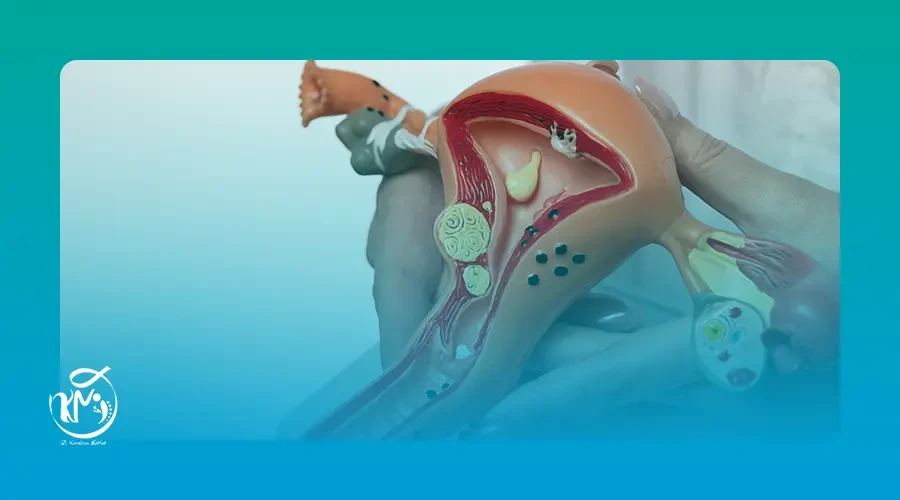
Fibroid shape in the uterus
Many women search for what uterine fibroids look like in the uterus after experiencing symptoms such as heavy menstrual bleeding, pelvic pain, delayed pregnancy, or after discovering a mass during an ultrasound by chance. Although the word “tumor” can cause great concern, uterine fibroids are benign growths in most cases. They develop from the muscles and tissues of the uterus and may be very small with no symptoms, or large enough to cause pressure, pain, and bleeding depending on their size and location.
Understanding what uterine fibroids look like in the uterus does not depend on external appearance, because they cannot be seen from the outside. They are usually detected through medical examination, ultrasound, or MRI. That is why describing pain or bleeding alone is not enough to identify the type of fibroid. Diagnosis requires knowing the exact location of the fibroid: is it inside the uterine cavity, within the muscular wall, or on the outer surface of the uterus?
In this article, we explain what uterine fibroids look like in the uterus, their types according to location, what fibroids feed on, whether uterine fibroids are dangerous, when fibroid size becomes concerning, whether uterine fibroids can turn into cancer, and their relationship with pregnancy and women’s experiences.
What Is a Uterine Fibroid?
A uterine fibroid is a benign growth made of muscle and fibrous tissue that develops inside or around the uterus. Uterine fibroids are also known medically as leiomyomas or myomas.
When discussing what uterine fibroids look like in the uterus, it is important to understand that they may appear as a single mass or multiple masses. Their size may be as small as a pea or much larger. A woman may discover them during a routine examination without any symptoms, or because of clear symptoms such as heavy bleeding, pelvic pressure, or delayed pregnancy.
How Do Fibroids Appear on Ultrasound?
Usually, what uterine fibroids look like in the uterus on ultrasound is a well-defined mass inside or around the uterus. It may appear round or almost round and often has a different density from normal uterine tissue. During examination, the doctor may notice a change in the size or shape of the uterus, then confirm the diagnosis with ultrasound or other tests if needed.
Fibroids may also be detected by chance during a pelvic examination. If the uterus feels irregular or enlarged, the doctor may request imaging tests to confirm the presence, number, size, and location of fibroids.
Types of Fibroids According to Their Location
What uterine fibroids look like in the uterus varies depending on where they grow. There are intramural fibroids, which grow within the muscular wall of the uterus. This is one of the most common types and may cause uterine enlargement or heavy periods.
There are also submucosal fibroids, which grow into the uterine cavity and are often more associated with heavy bleeding and fertility problems. Another type is subserosal fibroids, which grow on the outer surface of the uterus and may press on the bladder or intestines if they become large.
Some fibroids may also grow on a thin stalk. In this case, they may cause pain if the stalk twists. Therefore, when evaluating what uterine fibroids look like in the uterus, the doctor does not look at size only, but also considers location, direction of growth, and impact on the uterine cavity and nearby organs.
Symptoms of Uterine Fibroids
Fibroids may cause no symptoms at all, or they may lead to clear symptoms that differ from one woman to another. Common symptoms include heavy menstrual bleeding, longer periods, bleeding between periods, pelvic pain or pressure, frequent urination, constipation, lower back pain, abdominal enlargement, and sometimes pain during intercourse.
However, these symptoms alone do not define what uterine fibroids look like in the uterus, because similar symptoms may occur with other conditions such as ovarian cysts, endometriosis, or hormonal disorders. This is why ultrasound and medical evaluation are essential.
What Do Fibroids Feed On?
The question “what do fibroids feed on?” is very common. Medically, fibroid growth is linked to hormonal and genetic factors, not to one specific type of food. Estrogen and progesterone are believed to play a role in stimulating fibroid growth, along with genetic predisposition and individual body factors.
This means that no single food directly creates what uterine fibroids look like in the uterus or feeds fibroids on its own. However, body weight, hormones, family history, and lifestyle may influence the likelihood of developing fibroids or worsening symptoms. Healthy nutrition is important for overall health, but it is not a substitute for medical evaluation and treatment if the fibroid is large or causes bleeding or pain.
Are Uterine Fibroids Dangerous?
Are uterine fibroids dangerous? In most cases, they are not dangerous because they are benign. However, they may become a problem if they cause heavy bleeding leading to anemia, chronic pain, pressure on the bladder or intestines, or problems with pregnancy and fertility. So, the seriousness of fibroids is not measured by the word “tumor” alone, but by their effect on a woman’s health and quality of life.
Sometimes what uterine fibroids look like in the uterus may be simple and small, requiring only follow-up. In other cases, a fibroid in a sensitive location inside the uterine cavity may cause clear symptoms even if it is not very large. This is why every case needs individual medical assessment.
When Does Fibroid Size Become Dangerous?
When asking when fibroid size becomes dangerous, there is no single answer that applies to all women. Size is important, but it is not the only factor. A small fibroid may cause severe bleeding if it is close to the uterine lining, while a larger fibroid outside the uterus may not cause strong symptoms.
The condition becomes concerning if the fibroid grows quickly, causes anemia, severe pain, clear pressure on the bladder or intestines, affects pregnancy, or changes the shape of the uterus significantly. Therefore, when evaluating what uterine fibroids look like in the uterus, the doctor connects size, location, symptoms, age, and the woman’s desire for pregnancy.
Can Uterine Fibroids Turn Into Cancer?
Can uterine fibroids turn into cancer? This is one of the most worrying questions for many women. In general, uterine fibroids are not cancer, and it is extremely rare for them to be cancerous. They are also not usually linked to an increased risk of other types of uterine cancer.
However, this does not mean follow-up should be ignored. If there is very rapid growth, bleeding after menopause, unusual pain, or suspicious imaging findings, the doctor may request additional tests to rule out other conditions. True reassurance does not come from guessing; it comes from monitoring what uterine fibroids look like in the uterus with a doctor regularly.
My Experience with Fibroids and Pregnancy
When searching for “my experience with fibroids and pregnancy,” you will find many different stories. Some women become pregnant naturally despite having fibroids, while others may experience delayed pregnancy, repeated miscarriage, or need treatment before pregnancy. The reason is that the effect of fibroids on pregnancy depends on their size, location, and whether they distort the uterine cavity.
If what uterine fibroids look like in the uterus shows that the fibroid is close to or inside the uterine cavity, it may affect embryo implantation, cause bleeding, or lead to pregnancy complications. On the other hand, some small external fibroids may not affect pregnancy at all and may only require follow-up. Therefore, another woman’s experience should not be used to make a treatment decision.
How Are Uterine Fibroids Diagnosed?
Diagnosis usually starts with reviewing symptoms and medical history, followed by a pelvic examination. After that, the doctor may request abdominal ultrasound or transvaginal ultrasound depending on the case. MRI may be requested if there are multiple fibroids, if surgery is being considered, or if the doctor needs a more detailed map of the fibroid’s location and size.
Diagnosis helps accurately determine what uterine fibroids look like in the uterus: are they within the wall, inside the cavity, outside the uterus, or multiple? Do they press on nearby organs? These details help decide whether the case needs only follow-up, medication, a limited procedure, or surgery.
Treatment According to Fibroid Shape and Size
Treatment depends on symptoms, age, desire for pregnancy, fibroid size, and location. If the fibroid is small and causes no symptoms, the doctor may recommend follow-up only. If it causes bleeding or pain, medications may be used to reduce bleeding or control symptoms. In some cases, myomectomy may be recommended to remove the fibroid while preserving the uterus, or other procedures may be considered depending on the case.
Treatment cannot be chosen based on what uterine fibroids look like in the uterus alone, because the decision requires a complete evaluation. A woman who wants to become pregnant may need a different plan from a woman who is not planning pregnancy, and a fibroid inside the uterine cavity is treated differently from an external fibroid.
When Should You See a Doctor?
You should see a doctor if you experience heavy periods, bleeding between periods, persistent pelvic pain, delayed pregnancy, repeated miscarriage, frequent urination, chronic constipation, pain during intercourse, or noticeable abdominal enlargement. Medical evaluation should also not be delayed if bleeding appears after menopause.
Even though what uterine fibroids look like in the uterus is usually benign, ignoring symptoms may lead to anemia, chronic pain, or poor quality of life. Early examination helps choose the right decision before the problem becomes worse.
The Role of Dr. Kirlos Medhat in Surgical and Tumor Evaluation
In cases that require accurate differentiation between a benign tumor and a mass that needs deeper evaluation, or when concerning symptoms require the opinion of a surgical oncologist, specialized assessment can be an important step in the medical plan.
Dr. Kirlos Medhat is a Consultant of Surgical Oncology, General Surgery, and Liver Transplantation, with 16 years of surgical experience and more than 1000 surgical procedures performed.
He holds a Doctorate in Liver, Bile Duct, Pancreas, and Liver Transplant Surgery, as well as a Master’s degree in General Surgery. He is also a member of the European Society of Surgical Oncology, the Egyptian Society of Surgical Oncology, and the Egyptian Society of Surgeons.
Specialized surgical experience helps evaluate cases that need diagnostic accuracy and guides the patient toward the most suitable treatment path in cooperation with the relevant medical specialties when needed.
Important Follow-Up Tips
If you are diagnosed with a fibroid, keep your ultrasound report to compare size and location during future visits. Ask your doctor about the number of fibroids, their location, and whether they affect the uterine cavity. Monitor your hemoglobin level if your period is heavy, and do not use hormonal medications or home remedies without medical advice.
Remember that what uterine fibroids look like in the uterus does not always mean there is danger, but it is important information that helps the doctor create a suitable plan. Regular follow-up is better than waiting until symptoms worsen.
Conclusion
What uterine fibroids look like in the uterus may be a small or large mass, single or multiple, inside the uterine wall, inside the uterine cavity, or on the outer surface of the uterus. Most fibroids are benign and do not turn into cancer, but they may cause troubling symptoms such as heavy bleeding, pelvic pain, pressure on the bladder, delayed pregnancy, or anemia.
In the end, knowing the shape and location of the fibroid is an important step, but it is not enough on its own. What matters most is connecting the shape with size, location, symptoms, and pregnancy plans. Therefore, if persistent symptoms appear or a fibroid is discovered on ultrasound, consulting a doctor helps provide reassurance and choose the right treatment at the right time.