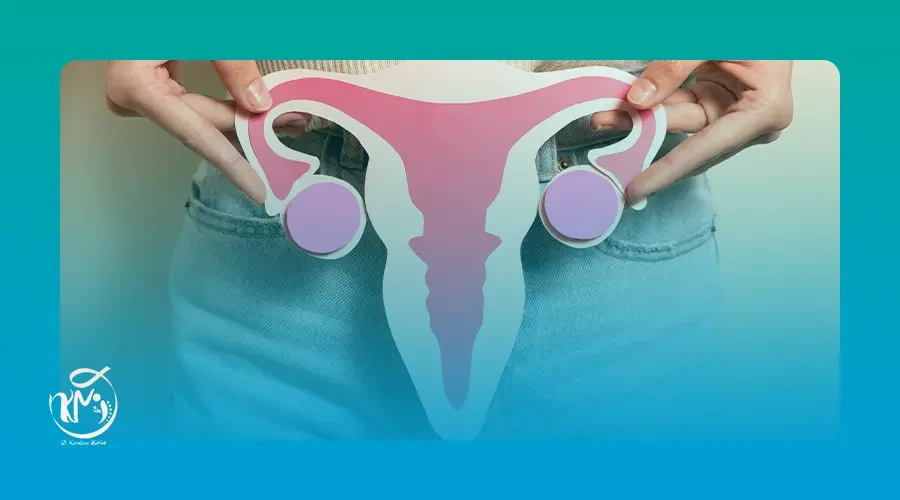
Treatment of uterine fibroids
Are you experiencing abnormal bleeding or persistent pain in your lower abdomen? These symptoms could be a sign of uterine fibroids, one of the most common health conditions affecting women. Seeking the right treatment for uterine fibroids is a vital step toward protecting your health and preventing future complications.
In this comprehensive guide, we will cover everything you need to know about this condition. We will explain what uterine fibroids are, what causes them, and the key symptoms you should never ignore. Additionally, we will explore non-surgical and medical treatment options, discuss when a fibroid's size becomes dangerous, and evaluate its impact on daily life and marital relations. We will also address the truth about treating fibroids with herbs, share patient experiences, and explain why Dr. Kirolos Medhat—Consultant of Surgical Oncology, General Surgery, and Liver Transplantation—is the ideal expert to guide your care.
What Are Uterine Fibroids?
Uterine fibroids (physically known as leiomyomas or myomas) are benign, non-cancerous tumors that grow within or on the muscular walls of the uterus. Although they are not cancerous, many women seek treatment because the resulting symptoms can significantly disrupt their daily quality of life.
Fibroids vary widely in size, shape, and location:
-
They can range from tiny, undetectable seedlings to massive masses that visibly enlarge the abdomen.
-
They can grow inside the uterine wall (intramural), bulge into the uterine cavity (submucosal), or project outside the uterus (subserosal).
The exact location and size of the fibroid directly dictate the symptoms experienced and the most effective treatment approach. While some women remain entirely asymptomatic, others suffer from heavy bleeding, pelvic pain, or a sensation of pressure.
Treatment of Uterine Fibroids
Choosing the right treatment for uterine fibroids is a highly searched topic, especially when symptoms like heavy bleeding or chronic pelvic pain begin to impact your daily routine. Medical plans are never one-size-fits-all; they depend entirely on specific, individualized factors:
-
The size, number, and exact location of the fibroids.
-
The severity of the clinical symptoms.
-
The patient’s age, overall health, and future pregnancy plans.
If the fibroids are small and asymptomatic, immediate intervention is rarely necessary. However, when symptoms affect your quality of life, medical intervention becomes essential. The primary treatment options include:
-
Active Monitoring (Watchful Waiting): Used for mild or asymptomatic cases, where the fibroids' growth is tracked through regular check-ups and ultrasounds.
-
Medical Management (Medications): Designed to regulate hormones, reduce heavy menstrual bleeding, and temporarily shrink the size of the tumors.
-
Non-Surgical Interventions: Advanced, minimally invasive procedures such as Uterine Artery Embolization (UAE), which cuts off the blood supply to the fibroids, causing them to shrink gradually.
-
Focused Ultrasound Surgery (FUS): A modern, non-invasive technology that uses high-intensity ultrasound waves to destroy the fibroid tissue without incisions.
-
Surgical Intervention: Reserved for advanced or severe cases. This includes a myomectomy (removing only the fibroids while preserving the uterus) or a hysterectomy (the complete removal of the uterus) in specific scenarios.
Non-Surgical Treatment for Uterine Fibroids
Many women prefer non-surgical routes, particularly in the early stages or when symptoms are mild. Modern medical advancements offer several highly effective non-surgical alternatives to control the condition:
-
Hormonal Medications: Regulate the menstrual cycle and help control tumor volume.
-
Uterine Artery Embolization: Shrinks the fibroids by blocking the specific blood vessels that feed them.
-
Magnetic Resonance-guided Focused Ultrasound (MRgFUS): Precisely targets and breaks down the fibroid tissue using heat waves.
-
Continuous Clinical Monitoring: For cases that do not pose an immediate health risk.
While non-surgical treatments are highly effective for many patients, they are not suitable for every type or size of fibroid. A thorough medical examination is required to determine the best path forward.
Medications for Uterine Fibroids
Medications play a vital role in managing uterine fibroids, especially when surgery is not immediately required. These treatments aim to control symptoms like heavy bleeding and pain, and can sometimes reduce the size of the fibroids temporarily:
-
GnRH Agonists (e.g., Leuprolide, Goserelin): These medications lower estrogen and progesterone levels, putting the body into a temporary postmenopausal state, which significantly shrinks the fibroids.
-
Selective Progesterone Receptor Modulators (SPRMs - e.g., Ulipristal Acetate): Used to control heavy uterine bleeding and reduce fibroid volume.
-
Combined Oral Contraceptives (containing Ethinyl Estradiol and Progestin): These help regulate the menstrual cycle and reduce heavy bleeding, though they do not shrink the actual fibroid size.
-
Progestins (e.g., Medroxyprogesterone, Norethisterone): Effectively manage heavy bleeding and improve cycle regularity.
-
Non-Steroidal Anti-Inflammatory Drugs (NSAIDs - e.g., Ibuprofen, Naproxen): Relieve the pelvic pain and cramping associated with fibroids.
-
Tranexamic Acid: A non-hormonal medication taken during menstruation to significantly reduce heavy blood loss.
Important Note: While these medications are highly effective at managing symptoms, they do not cure or permanently remove fibroids. They must be used strictly under professional medical supervision.
Can Uterine Fibroids Be Treated with Herbs?
Many women search for natural herbal remedies due to information shared online. However, there is no strong, conclusive scientific evidence supporting the use of herbs as a primary treatment or cure for uterine fibroids.
While certain herbs may offer mild relief for generalized symptoms like cramping, they cannot address the root cause or eliminate the physical tumor. Relying entirely on unverified natural remedies can delay proper medical care, allowing the fibroids to grow larger and making future treatments more complex.
Causes of Uterine Fibroids
While the precise primary cause of uterine fibroids remains unknown, extensive clinical research highlights several key factors that drive their development:
-
Hormonal Fluctuations: Fibroids are highly sensitive to estrogen and progesterone. Increased levels of these hormones stimulate the fibroids to grow.
-
Genetic Factors: A family history of fibroids significantly increases a woman's likelihood of developing them.
-
Obesity and Weight Gain: Excess body fat is linked to elevated estrogen levels in the body, which can encourage fibroid growth.
-
Delayed Pregnancy or Nulliparity: Women who have not given birth or who have delayed pregnancy face a statistically higher risk.
-
Extracellular Matrix (ECM) Alterations: Biological shifts in the structural growth patterns of uterine muscle cells can cause abnormal clusters to form.
Symptoms of Uterine Fibroids
Symptoms vary drastically from one woman to another. While many experience no symptoms at all, others face pronounced signs that require medical attention:
-
Heavy or prolonged menstrual bleeding (menorrhagia).
-
Menstrual periods lasting longer than a week.
-
Pelvic pressure, aching, or chronic pain.
-
Abdominal bloating or a visible increase in waist size.
-
Frequent urination or difficulty emptying the bladder due to direct pressure on the bladder wall.
-
Constipation or rectal pressure.
-
Pain during sexual intercourse (dyspareunia).
Anatomical Classifications of Uterine Fibroids
The physical shape and placement of the fibroid determine the exact symptoms a patient experiences. Fibroids are medically categorized based on where they grow:
-
Intramural Fibroids: Grow within the muscular wall of the uterus (the most common type).
-
Submucosal Fibroids: Push directly into the inner uterine cavity, often causing severe bleeding and fertility issues.
-
Subserosal Fibroids: Project outward to the exterior of the uterus, often causing pressure on the bladder or bowel.
When Does a Uterine Fibroid Become Dangerous?
Most uterine fibroids are benign and safe, but certain clinical scenarios turn them into a significant health concern that requires urgent medical intervention.
A fibroid's status becomes worrisome when:
-
It grows to an exceptionally large size, mimicking a multi-month pregnancy.
-
It causes heavy, relentless bleeding that leads to severe iron-deficiency anemia.
-
It directly interferes with fertility, causes recurrent miscarriages, or creates complications during pregnancy.
-
It exerts severe, painful pressure on adjacent vital organs like the bladder or kidneys, potentially causing renal complications.
What Feeds a Uterine Fibroid?
A very common question among patients is: What fuels the growth of a fibroid?
Uterine fibroids feed and thrive primarily on ovarian hormones, specifically estrogen. When estrogen levels are high—such as during the reproductive years or pregnancy—fibroids tend to grow. Conversely, they typically shrink naturally after menopause when hormone levels drop. Unhealthy lifestyles and obesity can also indirectly fuel them by increasing circulating estrogen.
Uterine Fibroids and Marital Relations (Intercourse)
Uterine fibroids can physically impact marital life, particularly if they are large or located near the cervix or lower uterine segment. Women may experience:
-
Deep pelvic pain during or after sexual intercourse.
-
A constant, uncomfortable feeling of pressure in the pelvis.
-
Unexpected spotting or bleeding following intercourse.
Because these symptoms depend heavily on the location and shape of the fibroids, an expert clinical assessment is vital to addressing the issue and restoring comfort to your personal life.
Patient Testimonial: "My Experience with Uterine Fibroids"
"My journey with uterine fibroids began when I noticed my periods becoming increasingly heavy, accompanied by a constant ache in my lower abdomen. I read many online stories under 'My Experience with Uterine Fibroids,' which showed me how different everyone's path is. I initially started with hormonal medications, which helped reduce the bleeding, but wasn't a permanent fix. Eventually, due to the size of the mass, my specialist recommended a minimally invasive procedure. The results were life-changing, and the pain completely disappeared. I learned that reading other people's experiences is helpful, but a tailored, professional diagnosis is what truly leads to a cure."
Why Choose Dr. Kirolos Medhat for Uterine Fibroid Treatment?
Managing uterine fibroids successfully requires a specialist who possesses deep diagnostic accuracy and an advanced understanding of both oncological and benign conditions.
Dr. kerollous Medhat—Consultant of Surgical Oncology, General Surgery, and Liver Transplantation—is highly regarded for providing premium medical care tailored to each patient:
-
Advanced Diagnostic Accuracy: He utilizes state-of-the-art medical imaging and clinical assessment to fully map out the fibroids.
-
Customized Treatment Plans: He precisely aligns treatments with your specific needs, whether that means medical therapies, non-surgical techniques, or precise surgical removals.
-
Minimally Invasive Philosophy: He prioritizes conservative, non-surgical, or fertility-preserving options whenever possible, avoiding aggressive surgery unless absolutely necessary.
-
Compassionate Patient Education: He ensures you completely understand your condition, explaining all available treatments clearly so you can make informed decisions with absolute peace of mind.
Do not let pelvic pain or abnormal bleeding compromise your health. Book your consultation with Dr. kerollous Medhat today to receive a comprehensive evaluation and start your journey toward recovery and comfort.