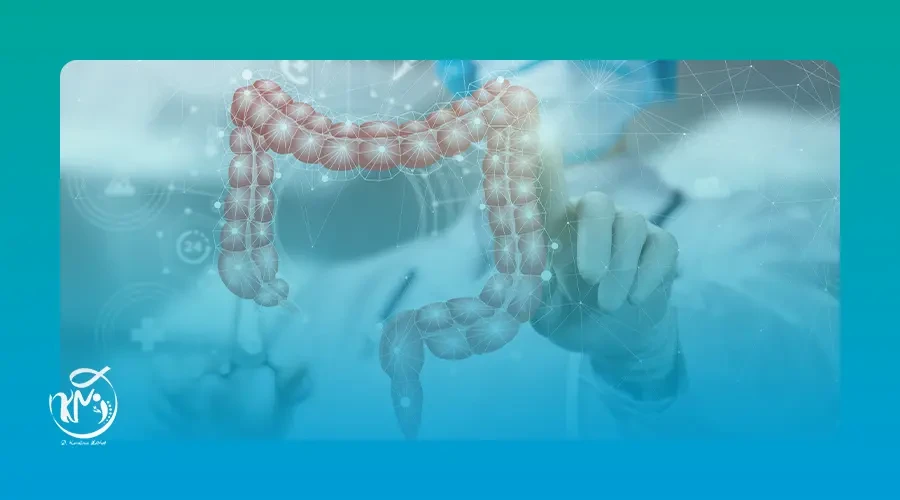
Recovery time from a colectomy
When considering colon surgery, one of the most common questions patients ask is: “What is the recovery time after colon removal surgery?” and how long it takes for a patient to regain normal activity and safely return to daily life. The recovery period varies depending on the reason for the surgery, the type of surgical procedure performed, and the patient’s overall health condition. However, understanding the details of the post-surgery phase helps patients feel reassured and better prepared.
Many patients share their concerns under the topic “my experience with partial colon removal,” searching for a realistic picture of what happens after the surgery, including the expected pain, hospital stay duration, and when they can return to movement and work. In this article, we will discuss the recovery time after colon removal surgery, the factors affecting it, and the most important instructions that help ensure a safe and smooth recovery after colon surgery.
Colon Removal Surgery
Colon removal surgery is a surgical procedure in which the affected part of the large intestine is removed to treat tumors, severe inflammation, or intestinal obstruction that does not respond to medication. The appropriate surgical method—whether laparoscopic or open surgery—is determined after evaluating the patient’s health condition, the location of the disease, and its severity. Choosing the right surgical technique can significantly reduce pain and speed up recovery.
After removing the affected section, the healthy parts of the intestine are usually reconnected to restore digestive function. In some cases, a temporary stoma may be required depending on the surgical circumstances and intraoperative medical evaluation.
If you are looking for specialized surgical care in colon and cancer surgeries, the expertise of Dr. Kerlis Medhat — Consultant of Surgical Oncology, General Surgery, and Liver Transplantation — can be an important advantage for patients who require precise surgical intervention.
Types of Colon Removal Surgery
The type of surgery depends on the cause of the condition, and the surgical method also affects the recovery time after colon removal surgery. The recovery period depends on how much of the colon is removed and the surgical technique used.
Colon removal surgeries can be divided into several types, including:
Partial Colectomy:
Only the affected part of the colon is removed, and the healthy sections are reconnected to restore bowel function.
Total Colectomy:
Performed when the disease spreads throughout the colon or in some chronic conditions affecting the entire colon.
Proctocolectomy (Removal of Colon and Rectum):
Used when the disease extends to the lower part of the digestive system. In some cases, the doctor may recommend creating a temporary stoma until recovery is complete, which may later be closed once the patient’s condition improves.
Laparoscopic Colon Surgery
Laparoscopic colon removal surgery is performed using precise surgical tools inserted through small abdominal incisions instead of traditional open surgery. This reduces the size of the wound and postoperative pain.
This type of surgery is often associated with a faster recovery period and may help shorten the recovery time after colon removal surgery compared to open surgery in certain cases.
The appropriate method is chosen after a comprehensive medical evaluation to ensure complete removal of the affected part while supporting safe recovery and a gradual return to normal life.
When Is Colon Removal Surgery Recommended?
The goal of colon removal surgery is to remove the affected part while preserving as much healthy intestine as possible. This significantly affects the recovery time after colon removal surgery and the patient’s quality of life afterward.
Surgery may be recommended in the following cases:
-
Colon cancer: when a confirmed tumor requires surgical removal to eliminate cancerous cells.
-
Severe intestinal obstruction: when blockage prevents stool passage and threatens the patient’s life.
-
Recurrent or complicated diverticulitis: especially when accompanied by abscess or colon wall perforation.
-
Inflammatory bowel diseases: such as advanced ulcerative colitis or Crohn’s disease that does not respond to treatment.
-
Severe uncontrolled bleeding.
In some cases, the surgery is planned in advance, while in others it may be performed urgently to save the patient’s life. The type and reason for surgery directly influence the recovery time after colon removal surgery, so discussing all details with the surgeon beforehand is essential.
Before Partial Colon Removal Surgery
The medical team carefully evaluates the patient’s overall health before deciding on surgery because the preparation stage can significantly affect the recovery time after colon removal surgery.
Key preoperative steps include:
-
Blood tests and imaging scans to ensure the patient is ready for surgery.
-
Temporarily stopping certain medications, such as blood thinners, if necessary.
-
Fasting for a specific period before surgery.
-
Following a specific dietary plan before surgery to support recovery and reduce digestive stress after the operation.
How Is Colon Removal Surgery Performed?
The procedure usually begins with general anesthesia. The surgical steps include:
1. Anesthesia and Preparation
The patient is placed under general anesthesia, and the abdominal area is sterilized.
2. Accessing the Colon
In open surgery, the surgeon makes an incision in the abdomen to reach the colon. In laparoscopic surgery, several small incisions are made through which surgical tools and a camera are inserted.
3. Removing the Affected Section
The damaged part of the colon is carefully separated while preserving surrounding blood vessels and protecting nearby organs.
4. Reconnecting the Intestine
After removing the affected section, the remaining parts of the colon are reconnected, or a temporary stoma may be created if necessary.
5. Closing the Incisions
The incisions are closed with surgical sutures or dissolvable stitches, and postoperative monitoring begins.
The recovery phase begins immediately after surgery, and following medical instructions plays an important role in shortening the recovery time after colon removal surgery and preventing complications.
How Long Does Colon Tumor Removal Surgery Take?
Colon tumor removal surgery usually takes between two and four hours. In laparoscopic surgery, the duration may be slightly shorter, but it requires higher precision.
After tumor removal and reconnection of the intestine, the initial recovery period begins in the hospital, typically lasting 3 to 7 days, depending on the patient’s condition and response to treatment.
Recovery Time After Colon Removal Surgery
The recovery time after colon removal surgery typically ranges from two to four weeks, although patients may leave the hospital within 3 to 5 days.
During the recovery period, the body gradually restores normal bowel function. It is normal to notice changes in bowel movement frequency or stool consistency during the first weeks after surgery.
Factors Affecting Recovery Time After Colon Removal Surgery
The recovery period varies from one patient to another depending on several medical and health factors, including:
-
Type of surgery: laparoscopic surgery often leads to faster recovery than open surgery.
-
Overall health condition: chronic illnesses such as diabetes may slow wound healing.
-
Reason for surgery and disease severity: localized conditions generally allow faster recovery.
-
Postoperative nutrition: proper diet plays a crucial role in recovery.
For optimal results, the expertise of Dr. Kerlis Medhat — Consultant of Surgical Oncology, General Surgery, and Liver Transplantation plays a major role in performing precise surgeries that help reduce the recovery time after colon removal surgery and improve overall outcomes.
Tips After Partial Colon Removal Surgery
The recovery stage is critical for regaining health. Following medical advice can significantly shorten the recovery time after colon removal surgery.
Important tips include:
-
Start light walking early to stimulate bowel movement and reduce the risk of blood clots.
-
Follow a post-surgery diet plan that includes soft and easy-to-digest foods before gradually returning to a normal diet.
-
Maintain wound hygiene and take medications as prescribed to prevent complications.
Many patients report that carefully following medical instructions is the key to faster recovery and fewer complications.
My Experience with Partial Colon Removal
Many patients share positive experiences with Dr. Kerlis Medhat, saying:
"My experience with partial colon removal was comfortable, and I gradually returned to my daily activities without major problems."
During recovery, the medical team closely monitors bowel function and provides detailed guidance on diet and rest to help patients recover safely.
Diet After Partial Colon Removal Surgery
Diet varies depending on the recovery stage:
First days:
Clear liquids such as water, diluted juices, and light soup.
Week one to two:
Soft foods like mashed potatoes, white rice, and yogurt.
Gradual progression:
Fiber-rich foods are slowly introduced once bowel movements stabilize.
Hydration:
Drinking enough fluids is essential, especially when increasing fiber intake.
Foods to avoid:
Fatty, spicy, or highly processed foods that may irritate the digestive system during recovery.
Managing Bloating After Colon Surgery
Bloating is common in the first few days due to anesthesia and slowed bowel activity.
Helpful tips include:
-
Light walking to stimulate digestion.
-
Gradually introducing food.
-
Monitoring bowel movements.
As the intestines regain normal function, bloating typically disappears.
Success Rate of Colon Cancer Surgery
Recent studies show that the success rate of colon cancer surgery exceeds 90% in early stages, especially when the tumor is detected early and removed completely.
Successful treatment depends on several factors:
-
Tumor stage
-
Patient’s overall health
-
Surgical team expertise
Recovery success is not only about leaving the hospital but also about restoring normal bowel function and maintaining follow-up care.
Can Colon Cancer Be Cured?
Yes, colon cancer can often be cured, especially when detected early and treated surgically. Early diagnosis and proper treatment significantly improve outcomes and shorten the recovery time after colon removal surgery.
Successful recovery also depends on:
-
Following a proper postoperative diet
-
Allowing time for the body to adapt to bowel function changes
Why Choose Dr. Kerlis Medhat for Colon Surgery?
The success of colon surgery and the recovery time after colon removal surgery largely depend on the surgeon’s expertise.
Dr. Kerlis Medhat is distinguished by:
-
Extensive experience in oncology and general surgery
-
Use of advanced surgical techniques
-
Careful patient monitoring before and after surgery
-
Commitment to international medical standards
-
Comprehensive treatment evaluation
-
Modern surgical methods that enhance recovery
-
Continuous postoperative follow-up
Conclusion
The recovery time after colon removal surgery depends on surgical precision and adherence to medical instructions. While learning about patient experiences can be reassuring, each case requires individual evaluation.
To ensure a safe treatment journey according to the highest medical standards, you can book your consultation with Dr. Kerlis Medhat — Consultant of Surgical Oncology, General Surgery, and Liver Transplantation — to receive a personalized treatment plan and achieve the best recovery results.
Frequently Asked Questions
When do the intestines return to normal after surgery?
Bowel function usually begins to improve within a few weeks. Recovery time varies depending on the surgical method and the patient’s health condition.
Does colon removal affect pregnancy?
In most cases, colon removal surgery does not prevent pregnancy if the patient’s health is stable and no complications occur. However, medical consultation is recommended before planning pregnancy.