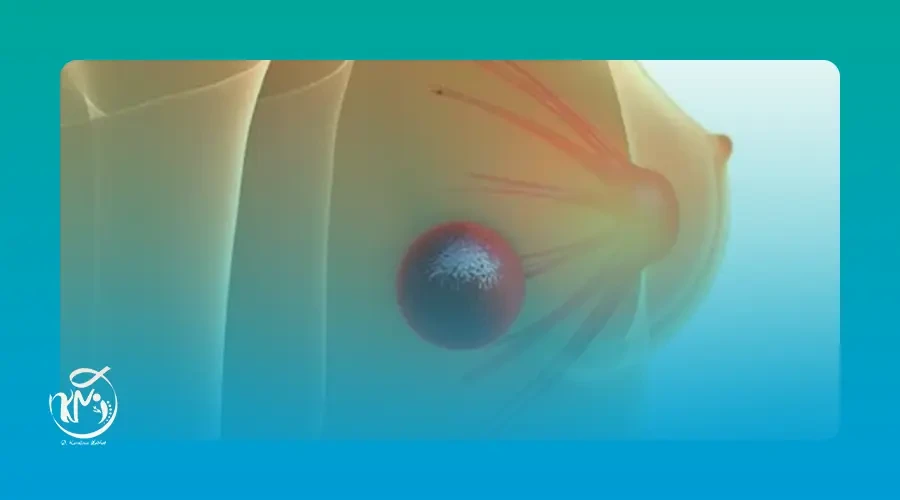
Symptoms of Breast Tumors
Breast tumor symptoms are among the most concerning health issues for women, especially since tumors can be benign or malignant. A common question is: What are the symptoms of breast tumors? Does every lump mean cancer? Symptoms vary from one case to another. They may begin with a subtle change in the shape or texture of the breast or the appearance of a painless lump. In early stages, there may be no clear signs, making routine screening essential for early detection.
Dr. Kyrillos Medhat emphasizes that paying attention to any unusual change and undergoing regular medical evaluations helps ensure early diagnosis and the selection of the most appropriate treatment plan. In this comprehensive guide, we review the types of breast tumors, their causes, symptoms of breast cancer in your 30s and 40s, as well as available diagnostic and treatment options.
What Are Breast Tumours?
Breast tumors are abnormal changes resulting from the growth of cells within breast tissue. They may be benign or require medical evaluation to determine their nature. The presence of a lump does not necessarily indicate a serious condition. Some cases are linked to hormonal changes or minor inflammation, while others require specialized examination to rule out more complex causes.
Symptoms differ among women. A tumor may appear as a solid lump or an area with a different texture inside the breast. It may sometimes be accompanied by mild pain or a sensation of pressure. In early stages, tumors may not cause noticeable symptoms, making self-examination and regular medical checkups essential for early detection.
Many tumors are discovered during routine screenings without prior complaints, highlighting the importance of regular medical examinations and diagnostic imaging when needed.
If you are seeking trusted medical evaluation and specialized care, Dr. Kyrillos Medhat, Consultant of Surgical Oncology and General Surgery, provides advanced expertise combining scientific precision with surgical skill. He uses the latest methods for diagnosing and treating breast tumors and develops personalized treatment plans tailored to each case.
Types of Breast Tumors
Breast tumors vary in nature and health impact. Some are benign and slow-growing, while others require precise medical evaluation.
1. Benign Breast Tumors
Fibroadenoma
The most common benign tumor. It appears as a firm, smooth lump that is usually painless and rarely becomes cancerous.
Breast cysts
Fluid-filled sacs that may change in size with the menstrual cycle and are typically harmless.
Fibrocystic breast changes
Common changes that make breast tissue feel lumpy or swollen and are often temporary.
2. Malignant Tumors (Breast Cancer)
Invasive ductal carcinoma (IDC)
Originates in milk ducts and is the most common form of breast cancer.
Lobular breast cancer
Begins in the milk-producing lobules and can be more difficult to detect on mammograms.
Ductal carcinoma in situ (DCIS)
An early form where cancer cells remain inside the ducts without spreading. It has a high treatment success rate when detected early.
Rare types
Including triple-negative breast cancer and inflammatory breast cancer, which are more aggressive and require prompt specialized treatment.
Causes and Risk Factors
Breast cancer results from abnormal cell growth in breast tissue. Factors that may increase risk include:
-
Genetics: family history or BRCA1/BRCA2 gene mutations
-
Age: risk increases after age 40
-
Hormonal exposure: prolonged estrogen exposure
-
Lifestyle factors: obesity, inactivity, smoking, unhealthy diet
-
Radiation exposure to the chest
-
Reproductive history: delayed pregnancy or not breastfeeding
What Are the Symptoms of Breast Tumors?
Symptoms vary depending on tumor type and stage.
Symptoms of Benign Breast Tumors
-
A smooth or firm lump that moves when pressed
-
Size changes with menstrual cycle (cysts)
-
Feeling of fullness or heaviness
-
Mild discomfort in some cases
-
Usually no bloody discharge or skin changes
Early Breast Tumor Symptoms
-
Small painless lump
-
Minor change in breast shape or size
-
Slight nipple changes or discharge
-
Skin dimpling resembling orange peel texture
-
Pain is uncommon early on
Symptoms of Breast Cancer in Your 30s
-
Small painless lump detected during self-exam
-
Subtle changes in breast shape or texture
-
Occasional nipple discharge
Regular self-examination and routine screening are crucial for early detection.
Symptoms of Breast Cancer in Your 40s
After age 40, risk increases and symptoms may be more noticeable:
-
Firm lump in the breast or underarm
-
Visible skin changes, dimpling, or redness
-
Nipple retraction or bloody discharge
-
Persistent discomfort
Annual mammograms and regular medical follow-ups are recommended
.
Symptoms of Advanced Malignant Tumors
-
Large, fixed lump
-
Severe skin changes or ulceration
-
Bloody or pus-like nipple discharge
-
Nipple inversion
-
Enlarged lymph nodes under the arm
-
Unexplained weight loss or fatigue
When Do Symptoms Appear?
Symptoms do not appear suddenly. Tumors may develop slowly over months or years before becoming noticeable. This makes routine screening vital for early detection and better treatment outcomes.
Breast Tumor Treatment
Surgery is the primary treatment for breast cancer and aims to remove the tumor and prevent its spread.
Common Surgical Options
-
Lumpectomy: removing the tumor while preserving the breast
-
Mastectomy: removing the entire breast in advanced cases
-
Lymph node removal: to determine spread
Treatment may be followed by radiation therapy, chemotherapy, or hormone therapy.
Breast Reconstruction After Surgery
Reconstruction can restore breast appearance and improve quality of life using:
-
Silicone implants
-
Tissue flap reconstruction
-
Hybrid techniques
Diagnostic Tests
Early diagnosis helps determine the stage and guide treatment.
-
Clinical breast examination
-
Mammography
-
Ultrasound imaging
-
MRI when needed
-
Biopsy for tissue analysis
Can a Benign Tumor Become Cancerous?
Most benign tumors remain stable and rarely become malignant. However, any new changes should be medically evaluated.
Does Breast Cancer Appear Suddenly?
Breast cancer typically develops gradually. Subtle changes should not be ignored, and early detection greatly improves treatment success.
Why Choose Dr. Kyrillos Medhat?
Selecting the right surgeon is essential for successful treatment. Dr. Kyrillos Medhat is recognized for:
-
Expertise in surgical oncology
-
Accurate diagnosis and treatment planning
-
Advanced surgical techniques
-
Personalized treatment strategies
-
Careful post-treatment follow-up
-
Experience with complex cases
-
Comprehensive patient-centered care
Conclusion
Understanding breast tumor symptoms is essential for protecting your health. Symptoms are not limited to a lump; any unusual change in breast shape, texture, or sensation should be evaluated. Early detection improves treatment success and reduces complications.
If you notice concerning symptoms or want a professional evaluation, schedule a consultation with Dr. Kyrillos Medhat, Consultant of Surgical Oncology and General Surgery. Early screening can make all the difference.
FAQ
Where does breast cancer pain begin?
Breast cancer usually does not cause pain in its early stages. Pain may begin in the lump or underarm area as the tumor grows.
Can breast cancer cause arm or shoulder pain?
Yes, if cancer spreads to lymph nodes or presses on nearby nerves, but this is uncommon in early stages.
Book Appointment