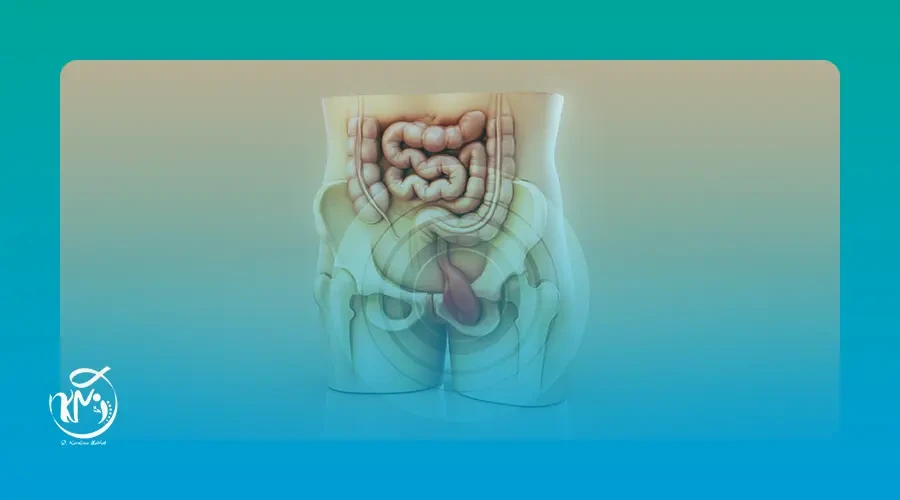
Testicular cancer
Testicular cancer is a relatively rare type of cancer, but it is considered the most common cancer among young men, especially those between the ages of 15 and 35. This disease is highly curable when detected early, which makes paying attention to any unusual changes in the testicles and performing regular self-examinations a crucial step.
Testicular cancer develops as a result of abnormal cell growth within the tissue of the testicle. Over time, malignant cells may grow and spread to the lymph nodes or other parts of the body if the disease is not detected early. This article aims to explain the causes of testicular cancer, its types, symptoms, methods of diagnosis, and treatment. We will also answer common questions such as: Can testicular cancer cause death? In addition, we will explore patient experiences under the section “My experience with testicular cancer” to provide you with essential information about prevention and early detection.
What is Testicular Cancer?
Testicular cancer is the abnormal growth of cells within the testicles caused by a disruption in the regulation of cell division. It usually begins inside the testicle and may spread to other areas if not detected early.
In many cases, the disease appears in young men. A patient may notice a small lump or painless swelling in the testicle. Sometimes there may be a feeling of heaviness in the scrotum or a gradual change in the size of one testicle without noticeable pain, which may delay seeking medical attention.
Although the name of the disease may cause concern, the chances of recovery from testicular cancer are very high when it is diagnosed early and treated appropriately under the supervision of a specialist. Medical evaluation typically includes a thorough clinical examination along with imaging tests and laboratory analyses to determine the stage of the tumor before establishing a treatment plan.
If you notice any changes in your testicles or wish to undergo a comprehensive medical evaluation for early detection of testicular cancer, you can contact Dr. Kerlis Medhat. With his extensive experience in surgical oncology and general surgery, Dr. Kerlis provides accurate diagnosis and advanced personalized treatment options for each patient, along with careful follow-up to ensure the best outcomes and protect the patient’s health and quality of life.
Symptoms of Testicular Cancer
Testicular cancer often develops slowly and may not cause obvious symptoms in its early stages. Therefore, self-examination and regular medical check-ups are essential for early detection. The most common symptoms include:
-
A firm lump or swelling in the testicle, usually painless
-
A feeling of heaviness or fullness in the scrotum
-
Mild pain or discomfort in the testicle or lower abdomen in some cases
-
Changes in the size of the testicles or loss of the normal texture of the testicle
-
In advanced cases, swelling of lymph nodes in the armpit or neck, or general symptoms such as weight loss or persistent fatigue
If you notice any changes in your testicles, swelling, or unusual pain, or if you have been diagnosed with testicular cancer, it is important not to delay medical consultation. You can contact Dr. Kerlis Medhat for a comprehensive evaluation using advanced diagnostic methods to determine the type and stage of the tumor accurately. Based on his experience, he develops a personalized treatment plan that may include surgery and complementary therapies when necessary, with continuous follow-up to ensure the best results and protect your health.
Causes of Testicular Cancer
Testicular cancer occurs due to abnormal cell growth within the tissue of the testicle. However, the exact causes are not fully understood. Several factors may increase the risk of developing the disease, including:
-
Family history: Having relatives with testicular cancer increases the risk
-
Undescended testicle: A testicle that did not descend into the scrotum before birth increases the likelihood of tumor development later in life
-
Congenital abnormalities: Certain structural abnormalities of the testicle or scrotum may increase the risk
-
Exposure to environmental or chemical factors: Exposure to certain chemicals or radiation may contribute to increased risk
-
Age and gender: Most cases occur in men between the ages of 15 and 35
Although these factors may increase the risk, they do not necessarily mean that cancer will occur. Regular examinations and self-checks remain the most important methods for early detection.
Complications of Testicular Cancer
Testicular cancer is often highly treatable when detected early. However, delayed diagnosis may lead to complications that affect general health and fertility, including:
-
Spread of cancer to lymph nodes or other organs such as the lungs or liver
-
Reduced fertility due to certain treatments such as chemotherapy or radiation
-
Hormonal changes affecting testosterone levels
-
Long-term side effects of chemotherapy or radiation therapy
Early diagnosis and close medical follow-up significantly reduce the likelihood of these complications and improve the chances of full recovery.
How is Testicular Cancer Diagnosed?
Diagnosis of testicular cancer involves a combination of clinical examination and medical tests to accurately determine the type and stage of the tumor. These include:
-
Clinical examination of the testicles and scrotum
-
Ultrasound imaging to determine the nature of the lump
-
Blood tests including tumor markers such as AFP, hCG, and LDH
-
CT scan or MRI to determine whether the cancer has spread
-
Biopsy or surgical removal of the testicle in some cases to confirm the diagnosis
For accurate diagnosis and a comprehensive treatment plan, you can consult Dr. Kerlis Medhat, who provides modern medical evaluation and high-quality surgical treatment.
Treatment of Testicular Cancer
Treatment depends on the stage of the disease, the type of tumor, and the patient’s overall health condition. The main treatment options include:
Radical Inguinal Orchiectomy
The primary treatment for most cases. The affected testicle is removed through a surgical incision in the groin to eliminate the tumor and determine its type.
Retroperitoneal Lymph Node Dissection (RPLND)
This procedure is used when cancer is suspected to have spread to lymph nodes behind the abdomen.
Chemotherapy
Used when there is a risk that cancer has spread beyond the testicle or after surgery to eliminate remaining cancer cells.
Radiation Therapy
Used in some types of testicular tumors that respond well to radiation.
Immunotherapy
A newer approach used in some advanced cases, stimulating the immune system to attack cancer cells.
Fortunately, testicular cancer is one of the most treatable cancers when detected early.
Survival Rate of Testicular Cancer
Testicular cancer is one of the most treatable cancers, especially when diagnosed early. Studies show that the five-year survival rate can exceed 95%, and it may reach 99% when the tumor is confined to the testicle.
According to Dr. Kerlis Medhat, early diagnosis is the most important factor in increasing recovery rates and achieving the best treatment outcomes.
Can Testicular Cancer Cause Death?
Many people ask whether testicular cancer is fatal. In reality, it rarely leads to death when detected early and treated promptly. This type of cancer generally responds very well to treatment compared with many other cancers.
The main risk lies in delayed diagnosis or when the disease spreads to other organs.
My Experience with Testicular Cancer
Many patients who underwent treatment describe their experiences positively, saying that early diagnosis and proper treatment helped them recover safely and return to their normal lives.
At the clinic of Dr. Kerlis Medhat, patients receive comprehensive medical care and follow-up from an experienced medical team, ensuring high-quality care and personalized treatment plans.
Should I Have Regular Testicular Cancer Screening?
Yes. Regular self-examination is recommended because early-stage testicular cancer may not cause obvious symptoms. Monthly self-checks, especially after a warm shower, can help detect any unusual changes early.
Can Testicular Cancer Be Prevented?
There is no guaranteed way to completely prevent testicular cancer. However, maintaining general health and paying attention to any unusual changes can help with early detection.
Is Testicular Cancer Dangerous?
The seriousness of testicular cancer mainly depends on how early it is diagnosed. When detected early, it is one of the most treatable cancers with very high recovery rates.
Best Doctor for Treating Testicular Cancer
When facing concerns about testicular cancer, choosing the right doctor is crucial for achieving the best outcomes. Dr. Kerlis Medhat is known for his extensive experience in diagnosing and treating testicular tumors and other cancers.
Advantages of Dr. Kerlis Medhat
-
Advanced experience in oncologic and general surgery
-
Comprehensive patient evaluation before treatment
-
Use of modern medical techniques aligned with international standards
-
Focus on integrated treatment, not surgery alone
-
Continuous follow-up after treatment
-
Clear communication with patients
-
Expertise in managing complex cases
-
Specialized medical care environment
Frequently Asked Questions
How long does it take for testicular cancer to spread?
The spread of testicular cancer varies depending on the tumor type. In many cases, the disease is detected before it spreads to distant organs.
Can testicular cancer cause death?
Death from testicular cancer is rare when the disease is diagnosed early and treated properly. Survival rates are very high compared to many other cancers.
Book Appointment