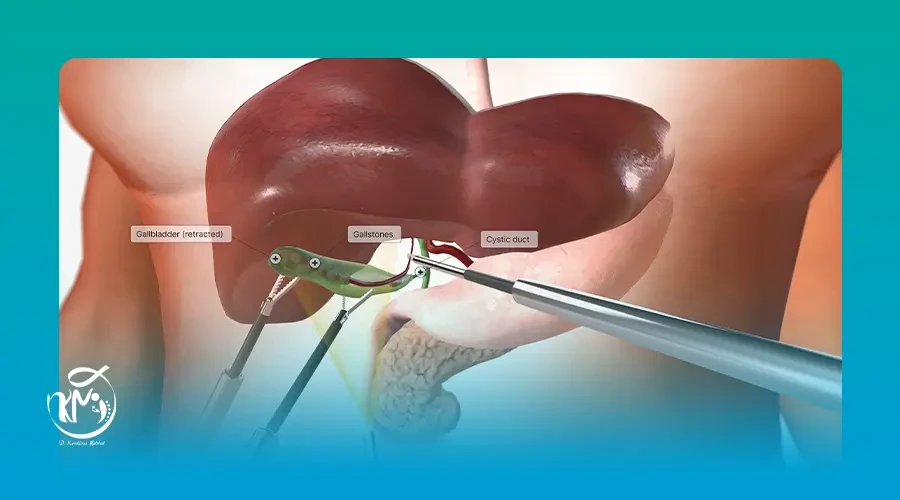
Excision of pancreatic cyst and pseudocyst
Pancreatic cysts often require surgical intervention when they enlarge or cause symptoms such as persistent pain and digestive disturbances. These include True Cysts, resulting from pathological changes, and Pseudocysts, which frequently develop following flares of pancreatitis or injury.
At Dr. Kirollos Medhat’s Center, we provide comprehensive care for the excision of both true and pseudocysts. Using advanced surgical techniques, we focus on preserving pancreatic function, minimizing risks, and ensuring a safe, rapid recovery to help patients regain their quality of life.
What is the Pancreas and Why are Cysts Formed?
The pancreas is a vital organ located behind the stomach. It plays a dual role: secreting digestive enzymes and producing essential hormones like insulin to regulate blood sugar.
Pancreatic Cysts are fluid-filled sacs that develop on or within the organ.
-
True Cysts: Lined with a specific layer of cells (epithelium) and often related to underlying pathological changes.
-
Pseudocysts: These lack a cellular lining and are typically collections of fluid and enzymes that form after pancreatic inflammation (pancreatitis) or trauma.
Symptoms and Risks Requiring Intervention
Surgical management becomes necessary when the following symptoms or risks appear:
-
Persistent Pain: Chronic upper abdominal pain that may radiate to the back.
-
Digestive Distress: Frequent nausea, vomiting, loss of appetite, and unexplained weight loss.
-
Physical Signs: A palpable mass, abdominal bloating, or jaundice (yellowing of skin/eyes).
-
Infection & Inflammation: Fever or signs of infection within the cyst.
-
Structural Risks: The cyst pressing on neighboring organs or causing bile duct obstruction.
-
Malignancy Concerns: Any changes in size or appearance on scans that suggest a risk of abnormal cell growth.
Early identification of these symptoms and risks facilitates the strategic planning of both true and pseudocyst excisions. This preventive approach ensures a safer, more effective procedure while minimizing risks and significantly enhancing recovery outcomes.
Surgical Approaches for Pancreatic Cysts
The choice of procedure depends on the cyst’s type, size, and location. Dr. Kirollos Medhat utilizes the most appropriate surgical path to ensure complete removal while preserving as much healthy tissue as possible.
1. Excision Techniques (For True Cysts)
-
Enucleation: A precision technique where only the solitary cyst is removed, sparing the surrounding pancreatic tissue.
-
Partial Pancreatectomy: Removal of the specific section of the pancreas containing the cyst (such as a Distal Pancreatectomy for cysts in the "tail" of the pancreas).
-
Whipple Procedure: A specialized surgery reserved for complex cysts or tumors located in the "head" of the pancreas.
2. Drainage & Management (For Pseudocysts)
For complicated or high-risk pseudocysts, the goal is effective drainage rather than just excision:
-
Cystogastrostomy: Creating a safe internal connection between the pseudocyst and the stomach (or small intestine) to allow the fluid to drain naturally and the cyst to dissolve.
-
Endoscopic & Minimally Invasive Drainage: Using advanced techniques to drain the cyst with minimal intervention and faster recovery times.
Why Choose Dr. Kirollos Medhat for Pancreatic Surgery?
As a Consultant of Surgical Oncology and General Surgery, Dr. Kirollos Medhat is highly experienced in the delicate handling of pancreatic tissues.
-
Specialized Expertise: Mastery in the excision of complex true and pseudocysts while preserving healthy tissue.
-
Advanced Imaging Integration: Using the latest diagnostic tools for precise surgical mapping.
-
Complex Case Management: Skilled in treating cases following previous biliary or pancreatic surgeries.
-
Personalized Care: Custom-tailored treatment plans and rigorous follow-up.
-
International Standards: Combining surgical excellence with global medical quality protocols.
If you are struggling with pancreatic cyst symptoms, book your consultation with Dr. Kirollos Medhat today for a precise evaluation and an expert surgical path to recovery.
Book Appointment