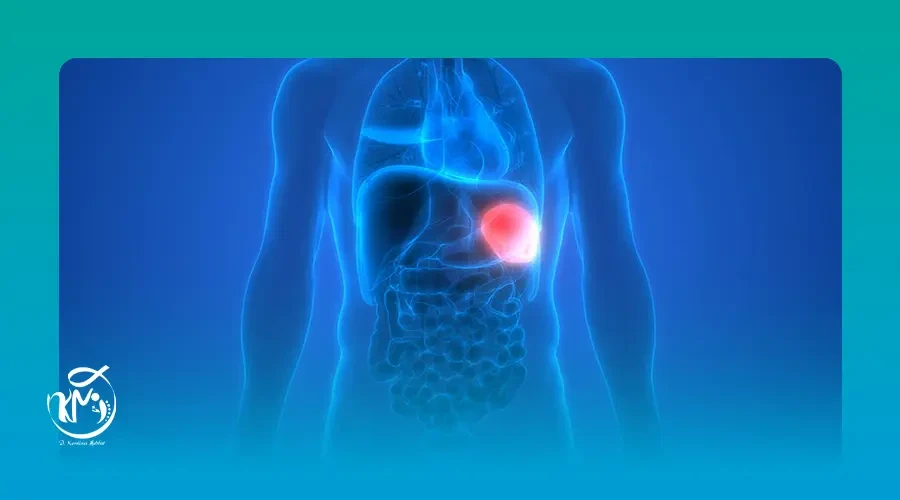
Splenectomy and management of splenic cysts
The spleen plays a vital role in immunity and blood filtration. However, conditions like Splenomegaly (enlarged spleen) or Splenic Cysts often require surgical intervention to prevent complications like internal bleeding or organ pressure. In such cases, a Splenectomy (spleen removal) may be the most effective treatment.
At Dr. Kirollos Medhat’s Center, we offer specialized surgical care using the latest minimally invasive technologies. Our approach combines surgical precision with meticulous monitoring to ensure a safe recovery and a confident return to daily life.
Conditions Requiring Surgical Intervention
Surgery is often the safest option when medical management is insufficient. Key indications include:
-
Splenic Rupture: Typically caused by trauma or accidents, leading to dangerous internal bleeding that requires emergency splenectomy.
-
Severe Splenomegaly: Massive enlargement that causes chronic pain or interferes with blood cell counts.
-
Splenic Cysts: Large or recurrent cysts that carry a risk of rupture or cause distressing symptoms.
-
Blood Disorders & Tumors: Including benign or malignant tumors and certain hematological conditions where the spleen destroys healthy blood cells.
If you are experiencing symptoms of splenic issues or require a splenectomy, Dr. Kirollos Medhat—Consultant of Surgical Oncology and General Surgery—provides precise evaluations and integrated treatment plans using the latest surgical techniques to ensure optimal results.
What are Splenic Cysts?
Splenic cysts are fluid-filled sacs within the spleen. They can be congenital (present from birth) or acquired due to infection or trauma.
-
Symptoms: While small cysts are often asymptomatic, larger ones can cause left-sided abdominal pain, a feeling of fullness, or even spontaneous bleeding.
-
Diagnosis: Precise mapping is achieved through Ultrasound, CT scans, or MRI.
-
Treatment: Depending on the risk, Dr. Kirollos Medhat performs either cyst excision or a total splenectomy, prioritizing the safety of surrounding blood vessels.
Recognizing Splenic Symptoms: The Importance of Early Diagnosis
Early detection of splenic issues is vital to preventing serious complications. We recommend immediate medical evaluation if you notice any of the following signs:
-
Abdominal Pain: Persistent pain or heaviness in the upper left quadrant.
-
Early Satiety: Feeling full quickly after eating very small amounts of food.
-
Chronic Fatigue: Low energy levels are often caused by the spleen’s impact on blood components.
-
Frequent Infections: Reduced immunity due to impaired splenic function.
-
Anemia or Bleeding: Unexplained bruising, bleeding, or signs of anemia.
-
Visible Swelling: Noticeable enlargement or a palpable mass in the abdominal area.
Early diagnosis allows for a wider range of treatment options—from medical monitoring to advanced surgical intervention when necessary—ensuring the best path to recovery.
Surgical Techniques: Laparoscopic vs. Open Surgery
Depending on your condition, Dr. Kirollos Medhat will determine the safest surgical approach. Both methods are performed under general anesthesia.
-
Laparoscopic Splenectomy (Minimally Invasive): The preferred choice for most patients. Using small incisions and a high-definition camera (laparoscope), the surgeon removes the spleen with high precision. This results in minimal scarring, less pain, and a faster recovery.
-
Open Surgery: Used for complex cases, such as an exceptionally large spleen (Splenomegaly) or severe internal bleeding. It involves a single larger incision to provide the surgeon with maximum access and control.
Management of Splenic Cysts
The treatment plan for splenic cysts is tailored to the cyst's size and symptoms:
-
Observation: Cysts smaller than 5 cm that cause no symptoms may only require regular monitoring.
-
Surgical "De-roofing": A specialized procedure (often laparoscopic) where the top of the cyst is removed to drain its contents and prevent it from reforming, while preserving the spleen.
-
Partial or Total Splenectomy: In cases where the cyst is very large, bleeding occurs, or de-roofing is not feasible, part or all of the spleen may be removed to ensure the patient's safety.
Duration & Recovery Roadmap
The duration of the procedure and the recovery timeline depend on the surgical technique used:
-
Laparoscopic Surgery: Typically takes 1–2 hours. Patients usually return to their normal routine within 2 to 4 weeks.
-
Open Surgery: May take 2–3 hours, with a longer recovery period of 6 to 8 weeks depending on the complexity of the case.
Under the guidance of Dr. Kirollos Medhat, recovery is optimized through a personalized plan to minimize complications and ensure a safe return to daily activities.
Essential Post-Operative Instructions
Adhering to these guidelines is vital for a smooth recovery and long-term immune health:
-
Medication: Strict adherence to prescribed antibiotics and pain management.
-
Vaccinations: Receiving preventive vaccines is crucial to support the immune system post-splenectomy.
-
Activity: Rest is essential; avoid heavy lifting or strenuous exercise for the recommended period.
-
Wound Care: Keep the surgical site clean and monitor for any signs of inflammation.
-
Nutrition: Follow a healthy diet to boost immunity and support healing.
-
Urgent Care: Contact your surgeon immediately if you experience a fever or any unusual symptoms.
Why Choose Dr. Kirollos Medhat for Splenic Surgery?
Dr. Kirollos Medhat is recognized for his surgical mastery in oncology and complex abdominal procedures.
-
Advanced Expertise: Deep specialization in splenic and hepatic oncology.
-
Minimally Invasive Mastery: Utilizing the latest laparoscopic tools to reduce surgical impact.
-
Personalized Planning: Every patient receives a customized diagnostic and treatment pathway.
-
Global Safety Standards: A commitment to international protocols to minimize post-operative risks.
-
Comprehensive Care: careful follow-up, including necessary post-splenectomy vaccinations to support the immune system.
If you are suffering from splenic issues or have been diagnosed with splenic cysts, consulting a specialist is the essential first step. Dr. Kirollos Medhat provides precise evaluations and safe treatment plans using the latest technology to ensure a rapid recovery and a confident return to your normal life. Book your appointment now to begin your journey toward healing with peace of mind.
Book Appointment