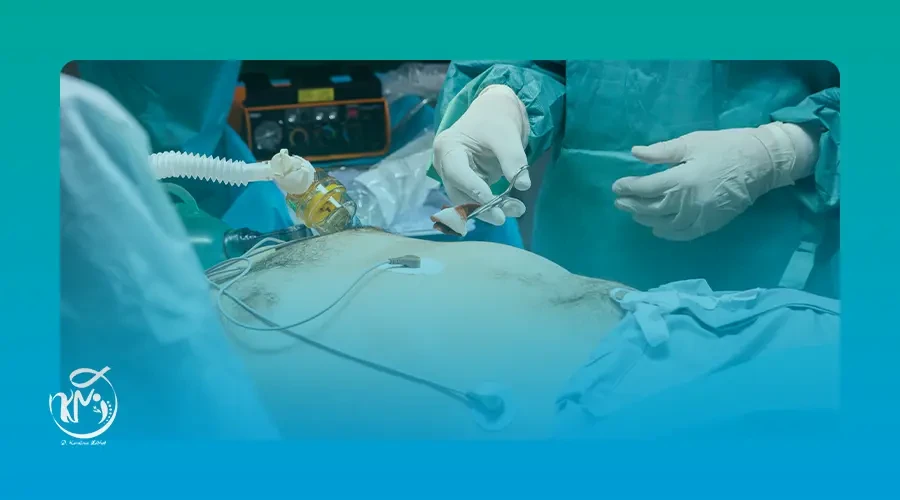
Bile Duct Tumor Resection Surgery
When symptoms such as yellowing of the eyes, persistent itching, upper abdominal pain, or changes in urine and stool color appear, many patients assume they are caused by a simple digestive or gallbladder problem. However, these symptoms can sometimes be warning signs of a bile duct condition that requires prompt and accurate diagnosis. Bile duct tumor resection surgery is one of the most important treatment options that may offer patients a significant chance of recovery when the tumor is considered resectable.
In this article, we explain what bile duct tumor resection surgery is, how it is performed, its potential complications, and the most important recovery tips after surgery. We will also discuss bile duct dilation after gallbladder removal, benign bile duct tumors, symptoms of bile duct tumors, the risks of bile duct obstruction, diagnostic methods, bile duct stenting procedures, the cost of surgery, and how to choose the right specialist. We will also explain why Dr. Kerollous Medhat, Consultant of Surgical Oncology, General Surgery, and Liver Transplantation, is considered one of the leading specialists in managing these complex conditions.
If you are experiencing symptoms such as jaundice, persistent itching, right upper abdominal pain, or have been diagnosed with a bile duct tumor or obstruction, do not delay seeking specialized medical care. Schedule your consultation today with Dr. Kerollous Medhat, Consultant of Surgical Oncology, General Surgery, and Liver Transplantation, for an accurate diagnosis and a personalized treatment plan tailored to your condition and healthcare needs.
What Is Bile Duct Tumor Resection Surgery?
Bile duct tumor resection surgery is a procedure performed to remove a tumor located within the bile ducts, which are responsible for carrying bile from the liver to the intestines.
This operation is not performed in the same way for every patient because bile duct tumors may arise:
-
Inside the liver (intrahepatic bile ducts).
-
At the junction of the hepatic ducts (hilar region).
-
In the lower part of the bile duct near the pancreas and duodenum.
For this reason, the surgical approach is determined only after reviewing imaging studies, laboratory tests, and evaluating whether the tumor can be completely removed.
The goal of bile duct tumor resection surgery is to remove the tumor along with a margin of healthy tissue surrounding it, as the presence of cancer cells at the surgical margin may increase the risk of recurrence.
In some cases, the surgery can be technically challenging because the bile ducts are located close to major blood vessels and vital organs such as the liver and pancreas. Therefore, diagnosis alone is not enough. The extent of tumor spread must be carefully evaluated before making a surgical decision.
If the tumor is not immediately suitable for surgery, other treatments or preparatory procedures may be recommended first. For example, bile drainage may be necessary when severe obstruction is present. This highlights the importance of not delaying medical evaluation when symptoms such as jaundice, severe itching, or right upper abdominal pain occur.
How Is Bile Duct Tumor Resection Surgery Performed?
The process begins with a thorough preoperative assessment. The surgeon reviews imaging studies and laboratory results to determine the tumor's location, size, and relationship to the liver, pancreas, and surrounding blood vessels.
Patients may require:
-
Liver function tests.
-
CT scans.
-
MRI and MRCP (Magnetic Resonance Cholangiopancreatography).
-
ERCP (Endoscopic Retrograde Cholangiopancreatography) in selected cases.
These investigations help determine whether complete tumor removal is possible or whether additional treatment is needed before surgery.
If bile accumulation within the liver is present, the surgeon may recommend drainage before the operation to improve liver function and reduce jaundice. This can be achieved by placing a small tube or stent within the bile duct to keep it open, or by performing percutaneous drainage under radiological guidance.
This step is particularly important because prolonged bile duct obstruction can negatively affect liver function and make surgical preparation more complex.
Surgical Approaches May Include:
Resection of the Affected Portion of the Bile Duct
For small and localized tumors, only the affected segment of the bile duct may be removed, followed by reconstruction to restore normal bile flow as much as possible.
Liver Resection with Removal of the Involved Bile Ducts
When the tumor is located near the intrahepatic bile ducts or at the hepatic duct confluence, removal of part of the liver along with the tumor and surrounding tissues may be required to achieve complete tumor clearance.
Removal of the Extrahepatic Bile Ducts and Gallbladder
In certain cases, surgery may involve removing the extrahepatic bile ducts and gallbladder, followed by reconstruction to connect the remaining bile duct system to the intestines.
Whipple Procedure for Tumors Near the Pancreas
If the tumor is located in the lower bile duct close to the pancreas, a more extensive operation known as the Whipple procedure may be required. This surgery involves removing part of the bile duct, part of the pancreas, and the duodenum, followed by reconstruction of the digestive tract.
These variations explain why the exact surgical plan cannot be determined until all diagnostic evaluations are completed.
Dr. Kerollous Medhat, Consultant of Surgical Oncology, General Surgery, and Liver Transplantation, provides comprehensive evaluations and explains the most suitable surgical option for each patient based on their individual condition.
Complications of Bile Duct Tumor Resection Surgery
Although bile duct tumor resection surgery can be a highly effective treatment option for eligible patients, it remains a major surgical procedure that may be associated with certain risks and complications.
The likelihood of complications depends on several factors, including:
-
The patient's age.
-
Overall health condition.
-
Liver function.
-
Tumor location.
-
The extent and complexity of the required surgery.
For this reason, surgeons carefully discuss both the benefits and potential risks with patients before the operation to ensure informed decision-making.
Possible complications of bile duct tumor resection surgery include:
-
Bleeding during or after surgery.
-
Surgical wound infection or abdominal infection.
-
Leakage of bile from the surgical connection site or liver surface.
-
Impaired liver function, especially when part of the liver is removed.
-
Blood clots in the legs or lungs due to reduced mobility after surgery.
-
Delayed return of bowel function, which may cause temporary bloating or nausea.
-
The need for additional interventions if fluid collections, obstruction, or bile leakage occur.
Understanding these risks does not mean they will occur in every patient. Rather, it helps patients appreciate the complexity of the procedure and the importance of careful postoperative monitoring.
Patients can schedule follow-up consultations with Dr. Kerollous Medhat, Consultant of Surgical Oncology, General Surgery, and Liver Transplantation, to review surgical outcomes and develop an appropriate postoperative treatment plan.
Essential Recovery Tips After Bile Duct Tumor Resection Surgery
Recovery after bile duct tumor resection surgery requires careful attention because the procedure may involve the bile ducts alone or extend to portions of the liver or nearby organs depending on the tumor's location.
Patients may need nutritional support during recovery, and returning to a normal diet can take time.
Important postoperative recommendations include:
-
Attending all scheduled follow-up appointments to monitor wound healing, liver function, and laboratory results.
-
Gradually reintroducing food according to medical advice, particularly after extensive procedures.
-
Avoiding fatty and fried foods during the early recovery period while the digestive system adapts.
-
Maintaining adequate hydration if approved by the treating physician.
-
Engaging in light walking and movement as recommended to reduce the risk of blood clots and promote bowel function.
-
Avoiding heavy lifting and strenuous physical activities until cleared by the surgeon.
-
Taking medications exactly as prescribed and not discontinuing pain relievers, antibiotics, or blood-thinning medications without medical guidance.
-
Monitoring for warning signs such as fever, worsening jaundice, persistent vomiting, or severe abdominal pain.
Following these recommendations can reduce the risk of complications and support a smoother recovery process.
Bile Duct Dilation After Gallbladder Removal
Some patients may be told that imaging studies such as ultrasound or CT scans show bile duct dilation after gallbladder removal. In many cases, this finding does not necessarily indicate a serious medical problem.
Research has shown that mild enlargement of the common bile duct after gallbladder removal may be considered normal, particularly in older patients, provided there are no associated symptoms or abnormalities in liver function tests.
However, bile duct dilation becomes more significant when accompanied by symptoms such as:
-
Jaundice.
-
Persistent itching.
-
Right upper abdominal pain.
-
Dark urine.
-
Pale stools.
-
Elevated liver enzymes.
In such situations, physicians may investigate potential causes including:
-
Bile duct obstruction.
-
Biliary strictures.
-
Retained or newly formed bile duct stones.
-
Other underlying abnormalities.
This highlights the potential seriousness of bile duct stones when they obstruct bile flow, as they may lead to severe pain, infection, and liver dysfunction.
What Is a Benign Bile Duct Tumor?
A benign bile duct tumor is a non-cancerous growth that develops within the bile ducts or biliary system. Unlike malignant tumors, benign tumors do not spread to distant organs or tissues.
According to cancer organizations and hepatobiliary specialists, benign bile duct tumors are generally not life-threatening and can often be treated successfully through monitoring or surgical removal, depending on their type and location. In most cases, they do not recur after complete removal.
Despite being benign, these tumors still require careful evaluation because their symptoms can resemble those caused by bile duct obstruction or malignant disease.
Non-cancerous biliary conditions may include:
-
Gallstones.
-
Inflammatory conditions.
-
Benign growths or polyps within the bile ducts.
These conditions can cause symptoms when they interfere with the normal flow of bile.
One important example is a gallstone migrating from the gallbladder into the bile duct, where it may block bile flow and cause abdominal pain, jaundice, or infection.
Key Facts About Benign Bile Duct Tumors
-
Benign tumors generally do not spread to distant organs.
-
Some benign tumors may remain asymptomatic for long periods.
-
Symptoms may occur if the growth causes bile duct obstruction.
-
Diagnosis typically requires imaging studies and laboratory tests, and sometimes a biopsy.
-
Treatment may involve observation or surgical removal depending on the tumor's characteristics and impact on bile flow.
Although benign bile duct tumors are less dangerous than malignant tumors, regular medical follow-up remains important to prevent complications and ensure proper management.
Symptoms of Bile Duct Tumors
The symptoms of bile duct tumors may not appear during the early stages of the disease. As a result, some patients are diagnosed only after developing jaundice or undergoing medical investigations for another condition.
Symptoms typically occur when the tumor obstructs the normal flow of bile. As bile accumulates within the body, noticeable signs begin to appear, affecting the skin, eyes, and digestive system.
Early recognition of these symptoms can improve the chances of obtaining a timely diagnosis and appropriate treatment.
The most common symptoms of bile duct tumors include:
-
Yellowing of the skin and the whites of the eyes (Jaundice).
-
Severe and persistent itching.
-
Pale, clay-colored, or white stools.
-
Dark-colored urine.
-
Pain in the right upper abdomen beneath the ribs.
-
Unexplained weight loss.
-
General fatigue and weakness.
-
Fever or night sweats in some cases.
The presence of these symptoms does not automatically mean that a patient requires bile duct tumor resection surgery. However, they do indicate the need for prompt medical evaluation and diagnostic testing to identify the underlying cause.
The Risks of Bile Duct Obstruction
Bile duct obstruction occurs when narrowing or blockage prevents bile from flowing normally from the liver into the intestines.
When this happens, bile accumulates within the liver, potentially leading to:
-
Pain.
-
Jaundice.
-
Severe itching.
-
Digestive disturbances.
-
Impaired liver function.
If left untreated, bile duct obstruction can become a serious medical condition.
According to Dr. Kerollous Medhat, Consultant of Surgical Oncology, General Surgery, and Liver Transplantation, bile duct obstruction may result from:
-
Gallstones.
-
Biliary strictures.
-
Infections.
-
Tumors, including bile duct cancers.
Common Signs of Bile Duct Obstruction
-
Upper abdominal pain that may gradually worsen.
-
Yellowing of the skin or eyes.
-
Pale or clay-colored stools.
-
Dark urine.
-
Fever or chills.
-
Nausea and vomiting.
-
Persistent itching.
-
Loss of appetite or unexplained weight loss.
These symptoms require urgent medical assessment because the consequences of bile duct obstruction extend beyond discomfort and may include severe infections and progressive liver damage.
Diagnosis of Bile Duct Tumors
Diagnosing bile duct tumors requires more than evaluating a single symptom, as jaundice and abdominal pain may also result from gallstones, infections, or other medical conditions.
The diagnostic process usually begins with a detailed medical history and physical examination, followed by laboratory tests and imaging studies to determine the exact cause of the symptoms.
Physical Examination
The physician examines the abdomen and evaluates the patient for signs such as tenderness, swelling, jaundice, or other abnormal findings.
Blood Tests
Blood tests help assess:
-
Overall health status.
-
Liver function.
-
Kidney function.
-
Blood cell counts.
Abdominal Ultrasound
Ultrasound imaging allows physicians to evaluate the liver, pancreas, gallbladder, and bile ducts and identify possible abnormalities.
Computed Tomography (CT Scan)
CT scans provide detailed images of the liver, bile ducts, chest, and abdomen and may reveal tumors or other abnormalities.
MRI and MRCP
Magnetic Resonance Imaging (MRI) and Magnetic Resonance Cholangiopancreatography (MRCP) offer highly detailed visualization of the bile ducts and can accurately identify the location and extent of obstruction.
Tumor Markers
Blood tests such as CA 19-9 may provide supportive information and assist with monitoring, although they are not sufficient to establish a diagnosis on their own.
Biopsy
A tissue sample (biopsy) remains the definitive method for confirming the diagnosis and determining the nature of the tumor when necessary.
These investigations help physicians determine whether a tumor is present and whether bile duct tumor resection surgery is appropriate or if another treatment strategy would be more beneficial.
Additional Diagnostic Procedures
In some patients, ERCP (Endoscopic Retrograde Cholangiopancreatography) may be performed. This procedure allows physicians to evaluate the bile ducts and pancreas while also providing an opportunity to obtain tissue samples or relieve obstruction.
Following confirmation of the diagnosis, additional staging studies such as PET scans or PET-CT scans may be recommended to determine whether the cancer has spread beyond the bile ducts.
Accurate staging is essential because it directly influences treatment planning and helps determine whether surgery is a viable option.
Bile Duct Stenting Procedures
Bile duct stenting is commonly performed when an obstruction prevents bile from flowing normally from the liver into the intestines.
A stent is a small tube inserted into the bile duct to keep it open, allowing bile to flow properly and helping relieve symptoms such as jaundice, itching, and liver dysfunction.
Although stents do not treat the tumor itself, they can play an important role before surgery or in patients who are not suitable candidates for immediate tumor resection.
Methods of Bile Duct Stent Placement
Endoscopic Stent Placement (ERCP)
In this approach, a flexible endoscope is passed through the mouth and digestive tract until it reaches the bile duct. A stent is then inserted at the site of obstruction to restore bile flow.
Percutaneous Transhepatic Cholangiography (PTC) Stenting
This technique involves inserting a thin needle through the skin and liver into the bile ducts under imaging guidance. A stent is then positioned to bypass the obstruction and allow bile drainage.
Choosing the Appropriate Stent
The type of stent selected depends on several factors, including:
-
The location of the obstruction.
-
The cause of the blockage.
-
The overall treatment objective.
-
Whether surgery is planned in the future.
Stents may be:
-
Plastic stents, typically used for shorter-term management.
-
Metal stents, often preferred for longer-term biliary drainage.
The treating physician determines the most suitable option based on the patient's condition and treatment plan.
While bile duct stenting can significantly improve symptoms and overall health, regular follow-up is essential because stents may become blocked or require replacement over time.
Cost of Bile Duct Tumor Resection Surgery
The cost of bile duct tumor resection surgery varies from one patient to another, and it is not possible to determine a fixed price before a thorough medical evaluation and diagnostic workup. This is because the type and complexity of the surgery depend largely on the tumor's location, size, and extent of spread.
Several medical and logistical factors influence the overall cost of bile duct tumor resection surgery, including:
-
The location of the tumor within the bile ducts.
-
The size of the tumor and the extent of disease spread.
-
The type of surgery required and whether it involves the liver, pancreas, or intestines.
-
The need for bile duct stenting before surgery.
-
Length of hospital stay after the operation.
-
The potential need for intensive care unit (ICU) admission.
-
The cost of laboratory tests and imaging studies before and after surgery.
-
The surgeon’s expertise and the experience of the medical team.
-
The hospital's facilities and operating room resources.
-
The need for medications, nutritional support, or additional postoperative care.
For this reason, treatment costs should always be estimated based on an individualized assessment rather than relying on a general figure that may not apply to every patient.
To obtain a more accurate estimate, patients are encouraged to schedule a consultation with Dr. Kerollous Medhat, Consultant of Surgical Oncology, General Surgery, and Liver Transplantation, who can determine whether immediate bile duct tumor resection surgery is appropriate or whether stenting or other preparatory treatments are required first.
Best Doctor for Bile Duct Tumor Treatment
Choosing the right specialist for bile duct tumor treatment is a critical step because this complex anatomical region is closely connected to the liver, pancreas, and major blood vessels. Successful treatment requires not only surgical expertise but also comprehensive knowledge of hepatobiliary and pancreatic diseases.
The choice of physician should be based on:
-
Specialized training and qualifications.
-
Experience in surgical oncology.
-
Expertise in liver, pancreas, and bile duct surgeries.
-
The ability to provide a clear and individualized treatment plan.
-
Comprehensive postoperative follow-up and long-term care.
Dr. Kerollous Medhat, Consultant of Surgical Oncology, General Surgery, and Liver Transplantation, is recognized for his extensive experience in the diagnosis and management of bile duct tumors and other complex hepatobiliary conditions.
Dr. Kerollous Medhat provides specialized care for patients with:
-
Bile duct tumors.
-
Liver tumors.
-
Pancreatic tumors.
-
Complex gastrointestinal cancers.
His approach combines advanced diagnostic evaluation, evidence-based treatment planning, and personalized patient care to achieve the best possible outcomes.
Patients can schedule a consultation to review imaging studies, laboratory results, and treatment options to determine whether bile duct tumor resection surgery is the most appropriate solution or whether alternative therapies should be considered.
Bile duct tumors require specialized medical attention because delayed diagnosis can increase the risk of obstruction, impair liver function, and significantly affect a patient's quality of life.
Bile duct tumor resection surgery remains one of the most important treatment options when the tumor is considered resectable. However, the decision to proceed with surgery should only be made after comprehensive diagnostic testing to determine the tumor's location, stage, extent of spread, and the patient's overall health condition.
If you are experiencing symptoms such as:
-
Yellowing of the eyes or skin.
-
Persistent itching.
-
Pain in the right upper abdomen.
-
Dark urine.
-
Pale-colored stools.
Or if you have already been diagnosed with a bile duct tumor or bile duct obstruction, it is important to seek specialized medical evaluation as soon as possible.
Schedule a consultation with Dr. Kerollous Medhat, Consultant of Surgical Oncology, General Surgery, and Liver Transplantation, to receive a comprehensive assessment and a personalized treatment plan tailored to your condition—whether it involves bile duct tumor resection surgery, bile duct stenting, or specialized long-term follow-up care.
Book Appointment