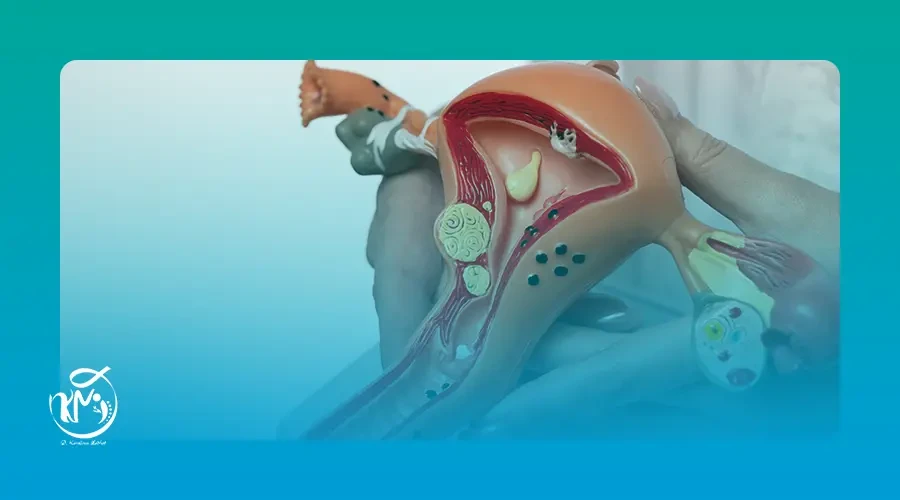
Fibroids in the uterus
Uterine fibroids are among the most common health conditions affecting women of reproductive age. However, they often cause concern because their symptoms can resemble other gynecological problems. Fibroids may be discovered incidentally during a routine examination, or after experiencing abnormal bleeding or recurring lower abdominal pain. At this point, many questions arise: when does the size of a fibroid become dangerous, and what are the available treatment options?
Understanding the condition correctly is the first step toward reassurance and making the right decision. In this article, we explain everything related to uterine fibroids — from causes and symptoms to diagnosis and treatment options — while highlighting the importance of accurate medical evaluation by a specialist such as Dr. kerollous Medhat, Consultant of Oncology Surgery and General Surgery, to ensure a safe and personalized treatment plan.
What Are Uterine Fibroids?
Uterine fibroids are benign tumors that develop from the smooth muscle tissue forming the wall of the uterus. They are among the most common gynecological tumors, especially during reproductive years.
Fibroids vary in size and number. They may be small and symptom-free, medium in size (for example, a 5 cm fibroid inside the uterus), or large enough to cause noticeable health problems such as heavy menstrual bleeding, lower abdominal pain, and pressure on the bladder or rectum.
Fibroids can grow in different locations: inside the uterine cavity, within the uterine wall, or on the outer surface of the uterus. Their location directly affects symptoms and treatment options. In many cases, fibroids are discovered incidentally during ultrasound examination and may not require treatment unless symptoms or complications appear.
If you have been diagnosed with uterine fibroids, are experiencing related symptoms, or want reassurance through accurate diagnosis, you can consult Dr. kerollous Medhat for a comprehensive evaluation and a treatment plan tailored to your condition using the latest medical and surgical techniques.
What Causes Uterine Fibroids?
There is no single definitive cause of uterine fibroids. Medical research suggests several factors that increase the likelihood of developing them, and these vary from one woman to another.
One of the most significant factors is hormonal imbalance, particularly elevated levels of estrogen and progesterone, which stimulate fibroid growth.
Other risk factors include:
-
Family history of fibroids
-
Hormonal imbalance, especially increased estrogen levels
-
Obesity and excess weight
-
Delayed pregnancy or not having children
-
Early onset of menstruation
-
Reproductive age (most common between 30–50 years)
-
High blood pressure
-
Sedentary lifestyle
-
High consumption of red meat and low intake of fruits and vegetables
Symptoms of Uterine Fibroids
Symptoms vary depending on the fibroid’s size and location. Some women may have no symptoms at first, while others experience symptoms as the fibroid grows or presses on surrounding tissues.
Common symptoms include:
-
Heavy uterine bleeding or prolonged menstrual periods
-
Irregular menstrual cycles
-
Pain or pressure in the lower abdomen or pelvic area
-
Frequent urination due to bladder pressure
-
Abdominal bloating or fullness without clear cause
-
Pain during intercourse in some cases
-
Constipation or difficulty with bowel movements
-
General fatigue if heavy bleeding leads to anemia
If you have been diagnosed with fibroids and require surgical or advanced medical treatment, Dr. kerollous Medhat offers advanced surgical techniques designed to remove fibroids precisely, reduce pain and recovery time, and preserve uterine function whenever possible.
Complications of Uterine Fibroids
Many women ask whether uterine fibroids are dangerous. Although fibroids are typically benign, neglecting treatment or delaying care may lead to complications depending on their size and location.
Possible complications include:
-
Anemia due to heavy or repeated bleeding
-
Chronic pelvic or lower back pain
-
Delyad pregnancy or infertility in some cases
-
Enlarged uterus causing pressure and discomfort
-
Pressure on nearby organs leading to frequent urination or constipation
-
Menstrual irregularities
-
Need for surgical intervention if fibroids grow or conservative treatment fails
Appearance of Uterine Fibroids
Fibroids usually appear as round or oval masses with clear boundaries that grow from the smooth muscle of the uterine wall. They may be tiny (a few millimeters) or larger than 5 cm, sometimes causing uterine enlargement resembling early pregnancy.
Their shape and location vary. They may grow inside the uterine cavity, within the uterine wall, or on the outer surface. The location directly influences symptoms and treatment decisions.
Diagnosis of Uterine Fibroids
Fibroids are often detected during routine exams or after symptoms such as bleeding or pain appear. Diagnosis focuses on determining size, location, and impact on surrounding tissues.
Diagnostic methods include:
-
Clinical examination to detect uterine size changes
-
Ultrasound (primary diagnostic tool)
-
MRI for detailed imaging of large or multiple fibroids
-
Hysteroscopy to examine the uterine cavity
-
Blood tests to assess anemia or bleeding-related issues
-
Regular follow-up to monitor growth over time
Treatment Options for Uterine Fibroids
Treatment depends on fibroid size, location, symptom severity, and future pregnancy plans.
Options include:
Watchful waiting
Appropriate for small fibroids without symptoms, with regular monitoring.
Medications
Used to shrink fibroids and control symptoms such as bleeding and pelvic pain.
MRI-guided focused ultrasound
A non-surgical technique that destroys fibroid tissue while preserving the uterus.
Uterine Fibroid Embolization (UFE)
Blocks blood supply to fibroids, causing them to shrink.
Radiofrequency Ablation (RFA)
Uses heat energy to destroy fibroid tissue while preserving surrounding tissue.
Laparoscopic myomectomy
Minimally invasive removal through small incisions.
Endometrial ablation
Reduces heavy bleeding by destroying the uterine lining (not suitable for future pregnancy).
Hysterectomy
Complete removal of the uterus in severe cases when other treatments fail.
Consulting Dr. kerollous Medhat ensures accurate evaluation and selection of the most suitable treatment while preserving uterine health whenever possible.
Can Fibroids Become Cancerous?
Fibroids are almost always benign and rarely become cancerous. However, rapid growth or new symptoms require medical evaluation.
Fibroids and Pregnancy
Fibroids may affect fertility depending on their size and location. Those near the uterine lining may interfere with embryo implantation, while others may have no effect.
Medical evaluation is recommended before planning pregnancy.
Why Choose Dr. kerollous Medhat?
Dr. kerollous Medhat combines surgical precision with comprehensive medical insight. His approach focuses on accurate diagnosis first and selecting the most appropriate treatment.
Key advantages:
-
Specialized expertise in oncology and general surgery
-
Member of the European Society of Surgical Oncology
-
Experience in complex uterine tumor removal
-
Precise diagnostic approach before treatment decisions
-
Personalized treatment plans
-
Multidisciplinary collaboration
-
Careful postoperative follow-up
Conclusion
Uterine fibroids are common and can be effectively managed with early diagnosis and regular follow-up. Some cases require only monitoring, while others need treatment depending on symptoms and lifestyle impact.
Consulting a specialist provides clarity and confidence. Dr. kerollous Medhat, Consultant of Oncology Surgery and General Surgery, offers comprehensive evaluation and tailored treatment options to ensure the safest and most effective outcomes.
FAQ
Can ultrasound detect fibroids?
Yes. Ultrasound can accurately detect uterine fibroids and determine their size and location.
What size fibroid is considered dangerous?
There is no fixed size. Concern depends on symptoms, location, and impact on surrounding organs.
Book Appointment